
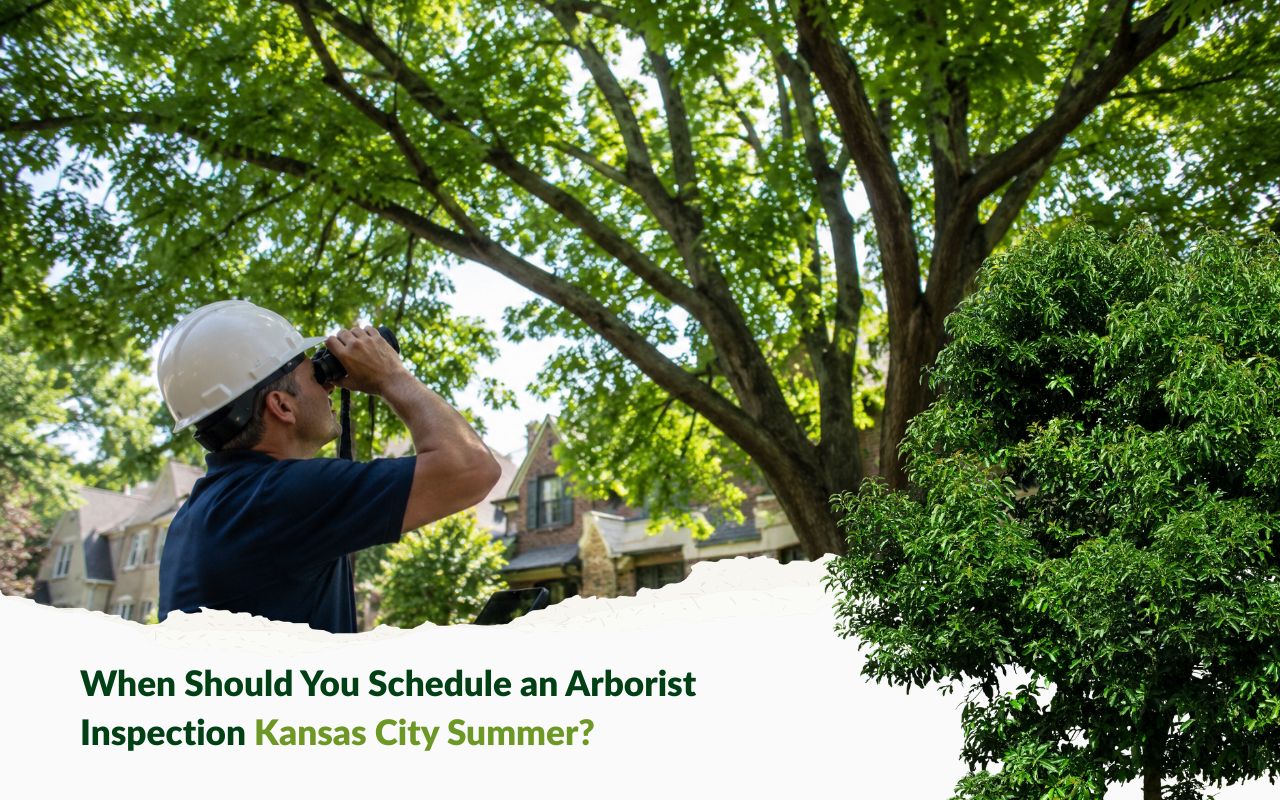
Summer storms, heat, and dry soil can expose tree problems that looked small in spring. If you are unsure whether a tree is healthy, leaning, or declining, our team can help you understand the next step through Arborist Inspection in KC before damage becomes harder to manage.
When Should You Schedule an Arborist Inspection Kansas City Summer?
An arborist inspection Kansas City summer is best scheduled when trees show stress, after storms, or before heavy seasonal heat. It helps identify weak limbs, pests, disease, root concerns, and safety risks before they threaten your yard, home, driveway, or nearby outdoor areas.
For many property owners, a tree inspection is a close review of the canopy, trunk, bark, limbs, roots, and growing conditions. It is useful for homeowners with mature trees, storm-damaged branches, insect activity, or sudden leaf changes. At Perez Landscape and Trees LLC, we use this review to guide safer care decisions.
Protect Your Trees With Arborist Inspection Kansas City Summer
A summer tree inspection helps catch heat stress, storm damage, insects, and structural weakness while there is still time to act. Kansas City weather can change fast, so a timely review gives you clearer choices before branches fail or decline spreads through the canopy.
During an arborist inspection Kansas City summer, we look for early signs of stress, including thinning leaves, browning edges, cracked limbs, and fungal growth near the trunk. TreesAreGood explains that discolored leaves, dead branches, and early leaf drop can show that a tree needs professional attention.
With Perez Landscape and Trees LLC, you get guidance based on what we can see, test, and explain clearly. If a tree may affect your home, vehicles, or people, a Tree Risk Assessment can help clarify the level of concern.
Identify What Certified Arborists Check During Tree Reviews
A proper inspection checks the whole tree, not just one weak branch. The goal is to understand tree health, structure, root support, and nearby risks so the right care step can be recommended without guessing or rushing into unnecessary work.
The common search “what does certified arborist check trees” usually points to the same need: a clear explanation of what gets reviewed. During a certified arborist inspection in Kansas City, MO, the review may include:
- Canopy density and leaf color changes
- Bark cracks, wounds, decay, or loose sections
- Dead, hanging, rubbing, or split branches
- Root flare condition and soil compaction
- Fungus, boring insects, sawdust, or pest activity
When customers contact Perez Landscape and Trees LLC, we ask about recent storms, watering habits, visible damage, and any safety concerns. Those details help us focus the review and explain what the tree may need next.
Recognize Signs Your Tree Needs Professional Assessment Soon
Visible changes often appear before a tree becomes dangerous. Leaves, bark, roots, and branch structure can all show warning signs. Acting early gives the tree a better chance of recovery and helps reduce the risk of falling limbs.
Important signs tree needs professional assessment include sudden leaf drop, wilting leaves, peeling bark, mushrooms near the trunk, large cracks, and a new lean. The University of Missouri Extension notes that hollow areas, cracked trunks, or heavy branch dieback are reasons to consult a professional arborist.
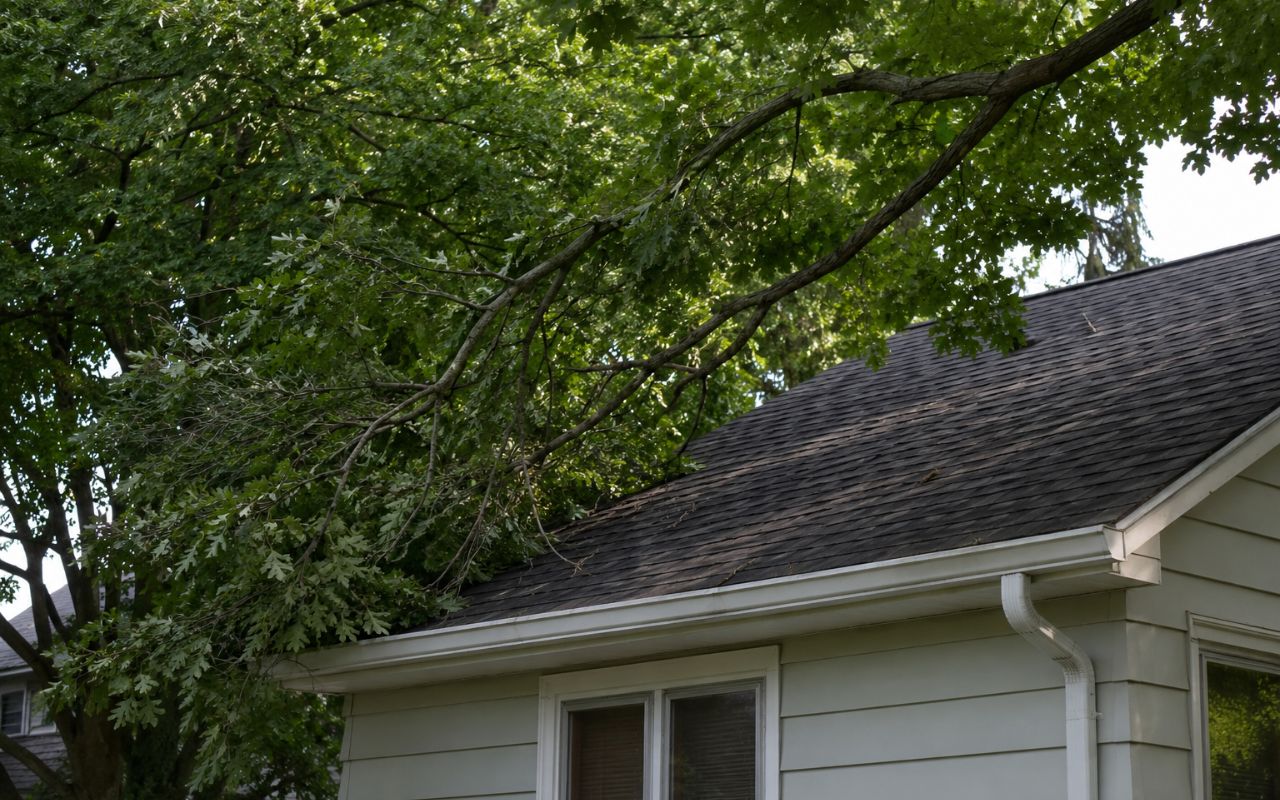
- Call for help when large limbs hang over roofs.
- Watch for fungus around the trunk base.
- Check for sawdust-like material near roots or bark.
- Review dead limbs before storms move through.
Some warning signs may point to decline, while others may point to risk. If you see brittle branches or major dieback, our guide to Signs of Dead Trees can help you compare what you are seeing.
Plan Inspection Frequency Around Kansas City Tree Conditions
Inspection timing depends on tree age, species, site stress, and recent weather. Young trees, mature trees, storm-exposed trees, and high-value shade trees may all need different review schedules based on their condition and location.
Homeowners often ask, “how often need arborist inspection in Kansas City” because there is no one schedule for every property. Young trees may benefit from a review every one to two years. Healthy mature trees may need a certified arborist inspection in Kansas City, MO every two to three years.
However, recent construction, soil changes, drought, pest activity, or storm damage can shorten that timeline. During summer, an arborist inspection Kansas City summer review is especially useful when heat stress and insect pressure are active at the same time.
With Perez Landscape and Trees LLC, we focus on what the tree and property show during the review. That helps you avoid overreacting to minor issues while still addressing concerns before they grow.
Prepare For The Certified Arborist Inspection Process Confidently
A tree inspection is easier when you know what to expect. The process usually starts with your concerns, continues with a visual review, and ends with practical guidance about care, monitoring, trimming, treatment, or risk reduction.
After you reach out, we ask for the tree location, visible symptoms, recent damage, and safety concerns. Photos can also help us understand the issue before the appointment. During the appointment with Perez Landscape and Trees LLC, our team checks the canopy, trunk, limbs, root area, and surrounding targets.
- Share recent changes, including storms or sudden leaf loss.
- Point out limbs over roofs, fences, or driveways.
- Explain watering, pruning, or construction near the tree.
- Ask which issues need action and which need monitoring.
After the walkthrough with Perez Landscape and Trees LLC, you receive clear guidance about the next step. That may include pruning, monitoring, soil care, a risk review, or removal only when the tree condition supports that decision.
Frequently Asked Questions
What does an arborist inspect during summer tree care?
An arborist checks leaves, branches, bark, trunk structure, root flare, soil conditions, decay, pests, and nearby targets. The goal is to find health and safety concerns before summer storms or heat make them worse. A focused review can also guide trimming, monitoring, or further evaluation.
Why do Kansas City trees struggle during hot weather?
Kansas City trees can struggle when heat, drought, compacted soil, insects, and storm stress happen close together. These conditions can reduce moisture uptake and weaken branches. If your tree looks thin, scorched, or brittle, Arborist Inspection in KC may help identify the cause.
When should I worry about a leaning tree?
A leaning tree needs attention when the lean is new, increasing, or paired with cracked soil, exposed roots, trunk splits, or dead limbs. A lean near a house, driveway, or walkway should be reviewed sooner. A Tree Risk Assessment can help explain the concern.
Can a stressed tree recover after professional care?
Some stressed trees can recover when the problem is found early and the tree still has strong structure and living tissue. Recovery may depend on watering, pruning, pest control, soil care, and continued monitoring. Severe decay, root failure, or heavy dieback may limit safe recovery options.
Do dead branches always mean the tree is dying?
Dead branches do not always mean the whole tree is dying, but they should not be ignored. Deadwood can fall, spread decay, or show deeper health issues. Compare visible symptoms with Signs of Dead Trees before deciding what to do next.
Request Tree Guidance Before Summer Damage Gets Worse
Tree problems are easier to handle when they are reviewed early and explained clearly. If your tree has dead limbs, leaf scorch, fungus, cracks, or storm damage, contact our team through the Contact Perez Landscape and Trees LLC page. We can help you choose a practical next step for safer summer tree care.