
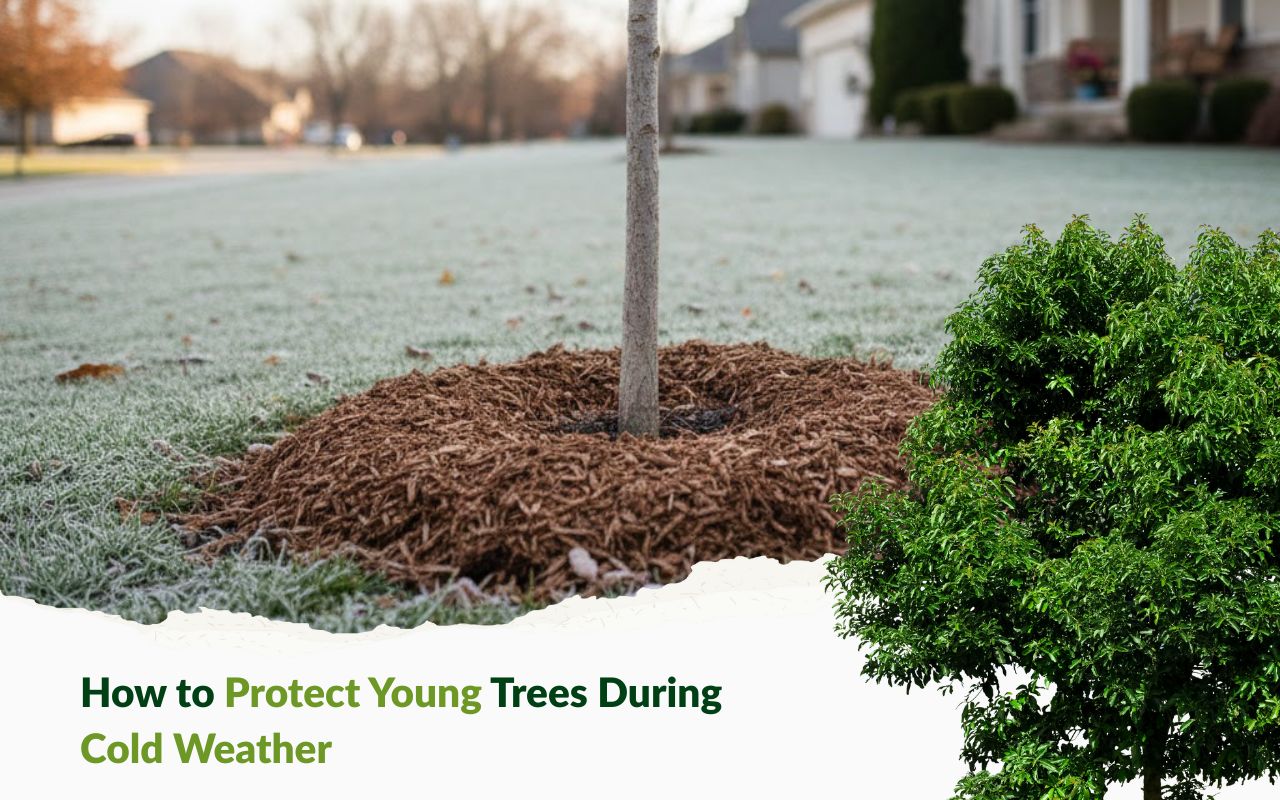
Protecting young trees from harsh Midwestern winters is essential for a healthy, long-lasting landscape in Grandview, MO. This guide explains how cold, wind, and fluctuating temperatures affect new plantings and what you can do before and during freezes. You’ll find simple, practical steps to insulate roots, shield trunks, and keep moisture levels balanced. Perfect guidance for Grandview and nearby neighborhoods.
How to Protect Young Trees During Cold Weather
The safest approach is to combine mulch, breathable trunk wraps, deep watering before the ground freezes, and temporary windbreaks. In Grandview, MO, these steps reduce freeze–thaw stress, prevent bark damage, and help new trees leaf out strongly when spring arrives.
Choosing the Right Young Trees for Grandview, MO
Cold-hardy choices give your landscape a strong start. Focus on species rated for USDA Zone 6 that tolerate freezing nights and wild temperature swings typical of Grandview and the Kansas City area.
- Select hardy species: Native trees such as redbud, serviceberry, oak, and other Midwestern performers adapt well to local winters.
- Check root systems: Look for full, fibrous roots with firm, white tissue rather than brown, mushy, or circling roots in the container.
- Inspect trunks: Choose trees with straight central leaders, uncracked bark, and no signs of mechanical injury or cankers.
Whenever possible, buy from reputable local nurseries that understand Grandview’s soil and winter patterns. Their staff can guide you toward cultivars less prone to frost heaving or sunscald and help you match planting to your Tree maintenance calendar.
By starting with the right young trees during cold weather in Grandview, MO, you give your yard the best chance to establish quickly and withstand its first winters.
Understanding Cold Weather Challenges in Grandview
Grandview winters often bring temperatures below 20°F, rapid freeze–thaw cycles, and occasional ice or heavy snow. These shifts can crack bark, dry out roots, and weaken young branches.
Newly planted trees are especially vulnerable during their first two to three years. Their root systems are shallow, offering less insulation from temperature extremes. Rapid drops after mild days can cause the water inside cells to freeze and expand, leading to tissue damage and bark splitting.
Wind gusts accelerate moisture loss from twigs and buds, increasing the risk of winter burn. Heavy, wet snow can snap poorly structured branches. Knowing these stressors helps you choose the right protections at the right time.
Preparing Young Trees for Winter: Mulching Techniques
Mulch acts like a winter blanket for roots, moderating soil temperature and locking in moisture when the air turns cold and dry.
- Mulch depth: Spread a 2–4 inch layer of organic mulch, such as shredded bark, composted leaves, or straw.
- Coverage area: Extend mulch to the drip line when possible so the entire root zone benefits from insulation.
- Trunk clearance: Keep a gap of 2–3 inches around the trunk to avoid rot, insects, and vole damage.
Check mulch a few times each season to break up mats and maintain depth. Proper mulch depth helps young trees during cold weather stay insulated and less prone to frost heaving or root injury.
Wrapping and Insulating Young Trees Against Frost
Thin-barked trees are prone to sunscald and frost cracks when bright winter sun warms the trunk by day and temperatures plummet at night. Wrapping helps stabilize bark temperature and prevent injury.
Use breathable materials such as paper tree wrap or burlap strips. Start at the base, overlapping each spiral as you move up to the first major branch. Secure gently so the wrap stays put without digging into bark.
In late winter or early spring, remove the wrap to prevent trapped moisture and insect shelter. Inspect the trunk for cracks or chew marks from rodents. Wrapping trunks supports young trees during cold weather when sunscald and frost cracks are most likely.
Monitoring Soil Moisture Levels for Winter Tree Care
Many homeowners assume winter brings enough moisture, but dry spells are common. Well-hydrated roots tolerate cold far better than dry ones.
Before the ground freezes, water deeply so moisture reaches the full root zone. During mild winter periods, check moisture by digging a small hole near the drip line. Soil should feel cool and slightly damp, not saturated or bone dry.
On extended thaw periods, apply 1–2 gallons of water per inch of trunk diameter, allowing it to soak in slowly. Avoid overwatering heavy clay soils, which can invite root rot, and be sure water drains away from foundations and sidewalks.
Identifying Signs of Cold Stress in Young Trees
Early detection gives you time to adjust care and prevent minor issues from becoming long-term damage.
Watch for:
- Sunken or peeling bark: possible frost cracks or sunscald injury, often on the south or southwest side of the trunk.
- Brown or shriveled buds: buds that fail to open in spring often signal freeze damage.
- Dieback and discoloration: yellowing needles, twig dieback, or patchy foliage can appear in late winter or early spring.
A simple scratch test on small branches reveals tissue health: green indicates live wood; brown or brittle tissue means that portion is dead. If you suspect root issues, compare what you see aboveground with guidance from root damage indicators.
Catching problems early is the best way to save young trees during cold weather and protect your landscape investment.
Implementing Wind Protection Measures
Cold winds strip moisture from buds and bark, leaving young trees dry and stressed, even when the soil holds plenty of water.
- Add temporary windbreaks: Install burlap screens or snow fencing on the prevailing-wind side, with a 2–3 foot gap between screen and tree.
- Stake wisely: Use soft, flexible straps on one or two stakes so the tree can still move slightly and develop strong roots.
- Remove in spring: Take down windbreaks once the risk of severe cold passes to avoid trapping pests and to encourage natural hardening.
Wind protection is especially useful on exposed corners, new developments with little shelter, and open yards where storm gusts are common.
Pruning Strategies for Young Trees in Winter
Pruning during dormancy helps shape structure, remove damage, and prepare for strong spring growth. In winter, tree form is easier to see, making structural decisions clearer.
Use clean, sharp tools to make smooth cuts just outside the branch collar. Focus on removing dead, rubbing, or crossing branches rather than heavy thinning. Excessive pruning can stress young trees and slow recovery.
Always disinfect tools between trees to reduce disease spread, especially after cutting out any suspicious lesions. For more detailed guidance on timing and technique, explore dedicated seasonal pruning tips and learn the best time to trim trees in the Kansas City region.
Importance of Regular Inspections During Winter Months
Quick checkups every few weeks can prevent small problems from becoming costly repairs. Walk your yard after major cold snaps, heavy snow, or wind events.
Look for loose wraps, shifted mulch, cracked limbs, and animal browsing on tender bark. Adjust supports, re-fluff mulch away from trunks, and gently brush off heavy snow that weighs down branches.
If you notice recurring issues—such as repeated bark cracking or unexplained dieback—consider scheduling a professional arborist inspection in Kansas City to catch hidden structural or disease concerns.
How to Winterize Young Trees in Grandview
- Choose hardy species: Select trees suited to USDA Zone 6 and local soil conditions.
- Plant at the right depth: Keep the root flare slightly above soil level and water thoroughly after planting.
- Add mulch: Apply a 2–4 inch organic mulch layer, keeping it a few inches away from the trunk.
- Wrap trunks: Before the first serious freeze, wrap thin-barked trunks with breathable tree wrap or burlap.
- Check moisture: Water deeply before the ground freezes and monitor soil moisture during warm spells.
- Block the wind: Install temporary windbreaks in exposed areas to reduce desiccation.
- Call the pros when needed: If you see persistent damage or are unsure where to start, request a winter tree care visit for tailored guidance.
Frequently Asked Questions
When should I start protecting my young trees before winter?
Begin winter preparations in mid to late fall, before the first hard freeze. That’s the ideal time to apply mulch, install windbreaks, and wrap trunks so protections are in place ahead of sudden cold snaps common around Grandview, MO.
How often should I water young trees in winter?
Check soil moisture every couple of weeks during warmer spells. Water only when the top 4–6 inches feel dry and the ground is not frozen. Deep, infrequent watering helps roots resist cold injury better than frequent, shallow sprinkling.
Do all young trees need trunk wrapping?
No. Thin-barked species such as maples, fruit trees, and some ornamentals benefit the most from wrapping. Thick-barked trees may not need wraps at all. If you’re unsure which trees to wrap, a quick arborist inspection in Kansas City can clarify priorities.
Can I prune young trees myself in winter?
Homeowners can safely remove small dead or crossing branches with clean tools. Leave large limbs, heavy reductions, or cuts near structures to professionals who follow proper pruning standards and can schedule work based on your local Tree maintenance calendar.
What if my young tree shows damage after a severe freeze?
Wait until spring leaf-out to see which branches recover. Remove clearly dead, broken, or hazardous limbs first. For more subtle damage, book an expert visit to review possible structural issues and root concerns, including any warning signs highlighted in available root damage indicators.
Ensuring Long-Term Health and Growth for Young Trees
Long-term success comes from consistent, seasonally appropriate care—not just one-time winter prep. Selecting hardy species, insulating roots with mulch, wrapping trunks, managing moisture, and pruning thoughtfully all work together to build resilience.
With a steady routine of inspection, protection, and timely pruning, your landscape investment can thrive year after year. Follow these steps to preserve young trees during cold weather in Grandview, MO and enjoy a resilient, shade-filled yard as your trees mature.
References
- Better Homes & Gardens guide to winter-proofing new trees and shrubs
- Iowa State University Extension news on protecting trees and shrubs from winter damage