
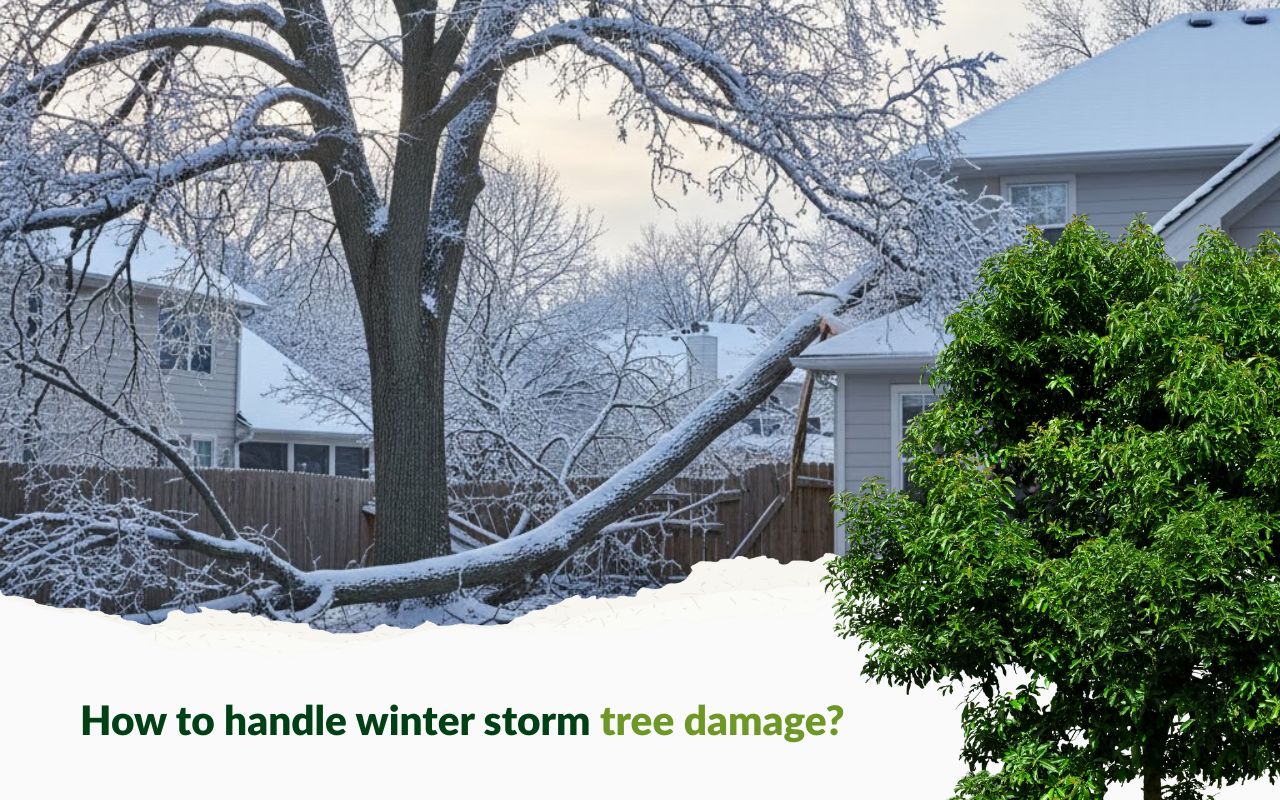
Winter storms in Grandview, MO can turn safe, healthy trees into dangerous hazards overnight. With the right Winter Storm Tree Damage Prevention & Recovery plan, you can protect your home, reduce costly emergencies, and bounce back faster after severe weather. This guide explains how to prepare your trees, respond safely after a storm, and decide when expert help is essential.
How to handle winter storm tree damage?
You handle winter storm tree damage by putting safety first, documenting damage, and using a clear Winter Storm Tree Damage Prevention & Recovery plan. That means pruning and bracing trees before winter, checking for hazards after a storm, avoiding power lines, and calling certified arborists for risky or structural damage.
Understanding winter storm tree damage in Grandview, MO
In Grandview, MO, winter storms often combine heavy snow, freezing rain, and strong winds. Ice-laden branches can snap, cracked trunks may fail without warning, and saturated, freezing soil can loosen roots. Even well-maintained trees can lose limbs or topple, threatening roofs, vehicles, fences, and power lines.
Pay attention to local forecasts and cold fronts that bring fast temperature swings and freezing rain. Ice, wind, and snow become most dangerous when they hit already stressed or weakened trees. Look for early signs of storm-damaged trees such as hanging limbs, fresh cracks, and sudden leaning so you can act before the next system arrives.
Preparing your trees for winter storms
Regular maintenance is your best defense. Prune dead, diseased, or crossing branches in late fall to reduce breakage when ice and snow build up. Thinning overcrowded canopies improves airflow and helps ice melt faster. For young trees, correct structural issues early so branches grow away from roofs, driveways, and power lines.
- Prune safely: Remove weak, rubbing, or overextended limbs that could strike structures if they fail.
- Protect roots: Add a two- to three-inch ring of organic mulch (not touching the trunk) to insulate and retain moisture.
- Water before freeze: Deeply water trees during dry falls so they enter dormancy well hydrated.
- Support young trees: Use breathable wraps or tree guards on newly planted trees prone to frost cracks and sunscald.
- Monitor problem trees: Note any history of splitting or major limb loss and plan corrective pruning with an arborist.
These habits make your yard more resilient and reduce the chance that winter will turn minor defects into major failures.
Securing your property before a winter storm
Before each major storm, walk your property. Remove loose yard items, secure furniture, and move potted plants indoors so they don’t become windborne projectiles. Trim low-hanging limbs over paths, driveways, play areas, and roofs to reduce the risk of impact damage if branches break under ice weight.
Check fences, trellises, and supports that could collapse if heavy snow and ice accumulate. Clear gutters and downspouts so melting snow can drain instead of forming ice dams along roof edges. Around young trees, consider snow stakes or small barriers to protect trunks from plows, shovels, and packed snow piles during cleanup.
Immediate steps after a winter storm
Once the storm passes, your first priority is safety. Stay away from downed power lines, dangling branches, and trees leaning toward buildings. Keep children and pets out of affected areas until you have identified obvious hazards and marked them.
- Scan from a distance: Look for hanging limbs, split trunks, and uprooted trees before entering the yard.
- Avoid electrical hazards: Assume any wire is live and call the utility company immediately.
- Document damage: Take clear photos and notes of trees, structures, and debris for insurance.
- Clear small debris: Remove twigs and small branches using proper gloves and eye protection.
- Leave major hazards: Do not cut large limbs, climb ladders, or use chainsaws near unstable trees.
These early actions make your overall Winter Storm Tree Damage Prevention & Recovery efforts faster, safer, and more organized when it’s time to repair and replant.
Assessing tree damage safely
Inspect trees from the ground using a slow, methodical approach. Look for deep trunk cracks, peeling bark, or branches that appear twisted or partially broken. Use binoculars to check high canopies rather than climbing into the tree or onto the roof.
At the base, examine the root flare and surrounding soil. Heaving, fresh mounds, or new gaps between soil and trunk can signal instability. If you see exposed roots or sinking areas, review common root damage indicators and avoid parking or walking in that zone until a professional evaluates the tree.
When to call professional tree services
Some storm damage goes beyond safe DIY work. Call a professional if large limbs are broken, if the tree is touching power lines, or if the trunk is split or leaning suddenly toward structures. Certified arborists have the training, rigging gear, and insurance needed to handle dangerous removals.
For urgent cases, schedule emergency tree removal rather than waiting for the next storm. When damage is less obvious, a professional tree risk assessment can reveal hidden weaknesses and guide smart pruning or cabling. If you’re unsure what to do, seek expert arborist advice before making irreversible cuts.

Tree repair and restoration techniques
Proper pruning helps damaged trees recover. Remove broken limbs back to a healthy lateral branch or the branch collar, making clean, angled cuts that shed water. Avoid leaving long stubs, which often decay and invite pests and disease. Use sharp, sanitized tools to reduce the risk of infection at fresh wounds.
For high-value trees, structural supports such as cabling and bracing can reduce the chance of future failures. Flexible cables redistribute weight between major limbs, while rods or braces can stabilize certain trunk splits when recommended by an arborist. Combine these methods with soil aeration, compost, and fresh mulch to support root recovery and overall vigor.
Implementing long-term tree care
Long-term health is the foundation of storm resilience. Schedule regular inspections, especially after major weather events and before winter. Monitor for pests, decay, or structural defects like co-dominant stems and narrow crotch angles that are prone to splitting under load.
Record pruning dates, treatments, and prior damage; these notes help professionals evaluate risk more accurately. Consider diversifying your plantings with species that tolerate ice and wind better, so one storm cannot devastate your entire landscape. A thoughtfully planned mix of trees of different sizes and strengths reduces overall vulnerability.
Insurance tips for tree damage recovery
Review your homeowner’s policy before winter so you know what’s covered if a tree falls on your house, fence, or vehicle. Many policies cover debris removal and repairs to insured structures, but limits and deductibles vary. Document every step of your cleanup and keep receipts for professional services.
When filing a claim, provide clear before-and-after photos, written descriptions of the storm, and any maintenance records that show you cared for your trees responsibly. Walk the adjuster through the property, pointing out both obvious and less visible issues, such as cracked trunks or partially uprooted trees that may require removal.
How-to: create your winter storm tree plan
A simple written plan helps you react calmly when severe weather hits. Use these steps to build a realistic, repeatable routine for every winter season in Grandview, MO.
- List vulnerable trees: Note large trees near roofs, driveways, play areas, and power lines.
- Schedule maintenance: Plan annual pruning and periodic professional inspections before winter.
- Assign tasks: Decide who in the household will move furniture, park cars safely, and secure loose items.
- Prepare tools: Keep gloves, safety glasses, hand saws, and tarps ready for light debris cleanup.
- Save contacts: Store the numbers and websites of your utility provider, insurer, and trusted arborist, plus your preferred tree care contact page, in your phone and written plan.
Frequently Asked Questions
How can I schedule emergency tree service in Grandview, MO?
The fastest way is to contact a local tree care company that offers 24/7 response. Share photos of the damage, your address, and safety concerns (like blocked driveways or downed lines). Use the company’s contact page or request form so your case is logged immediately and prioritized correctly.
Is it safe to cut broken limbs by myself?
It may be safe to remove small, low branches with hand tools, but any work near power lines, roofs, or large, tensioned limbs should be left to professionals. Hidden forces can cause branches to snap back unexpectedly. When in doubt, avoid ladders and chainsaws and call a certified arborist instead.
Will my insurance cover winter storm tree damage?
Most policies cover damage when a tree falls on insured structures, but coverage for yard cleanup alone can be limited. Check your policy’s tree and debris clauses before storm season. If a storm hits, document the scene thoroughly, then work with your insurer to confirm what removal and repair costs are reimbursable.
How often should my trees be inspected for storm risk?
For mature trees near structures, a professional inspection every one to three years is a smart investment. Schedule an extra check after major storms or visible changes. A formal tree risk assessment identifies structural issues early, often allowing corrective pruning instead of full removal.
What if I notice new cracks or leaning weeks after the storm?
Some failures develop slowly as soil settles and internal damage spreads. Take new movement, cracks, or soil heaving seriously, even long after the storm passes. Photograph the changes, keep people away from the area, and seek professional arborist guidance to decide whether the tree can be stabilized or should be removed.
Safeguarding your property against future winter storms
Each winter brings new weather patterns, but your response doesn’t have to be reactive. By combining smart maintenance, safe post-storm routines, and timely professional support, you steadily reduce risk around your home. With a proactive Winter Storm Tree Damage Prevention & Recovery mindset, Grandview homeowners can protect both their families and their landscapes for years to come.
References
- How are winter storm watches, advisories, and warnings different? – National Geographic
- Blizzards – National Geographic Kids