
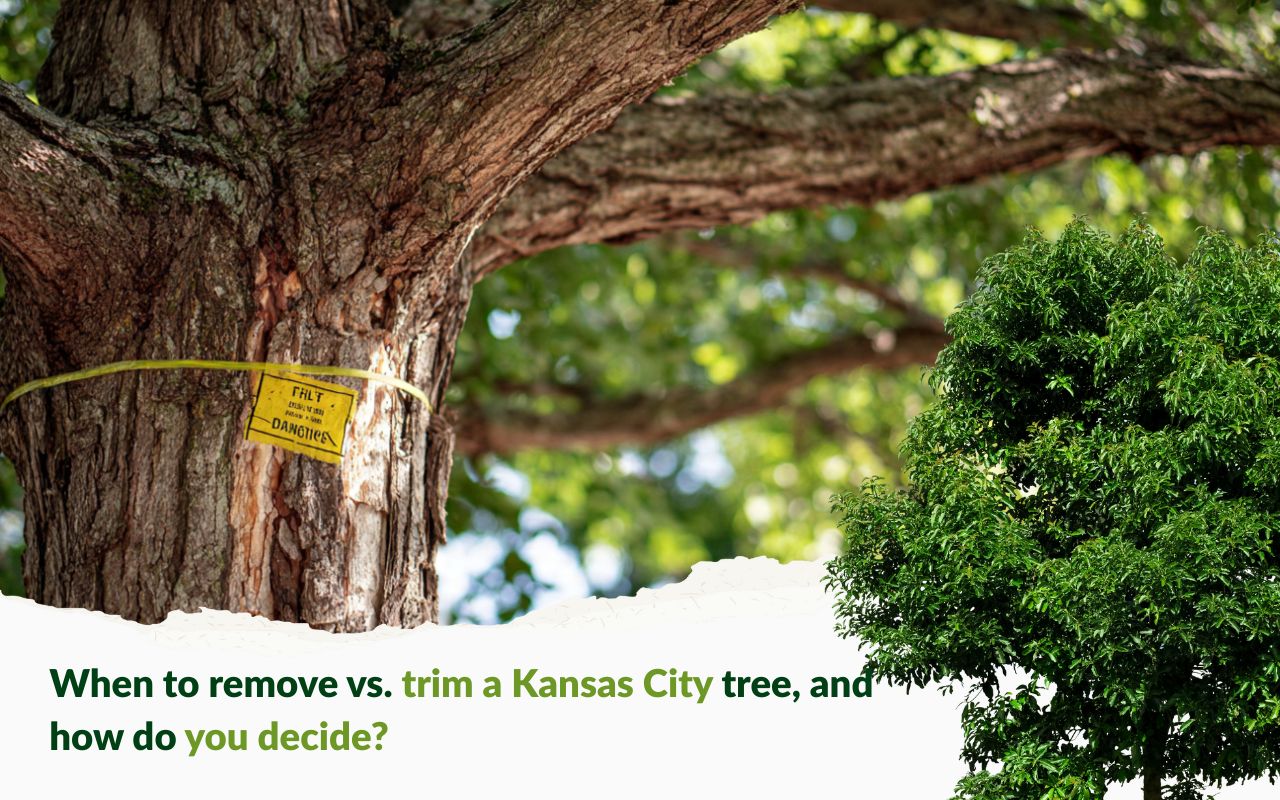
Deciding between trimming and removal can feel stressful. However, a few clear checks can reduce guesswork fast. You can protect your home, preserve healthy shade, and avoid sudden failures. This guide explains common warning signs, simple risk scoring, and smart planning for Kansas City homeowners.
When to remove vs. trim a Kansas City tree, and how do you decide?
When to remove vs. trim a Kansas City tree depends on safety and structure. If the tree has high-risk defects, removal is safer. If the tree is healthy with isolated issues, trimming is often enough. Start by checking the trunk, roots, canopy, and nearby targets. Then, match the risk to the right solution.
What warning signs suggest removal could be safer?
First, look for changes that worsen over weeks or months. Then, note how close the tree is to people or property. When to remove vs. trim a Kansas City tree becomes clearer when defects are obvious.
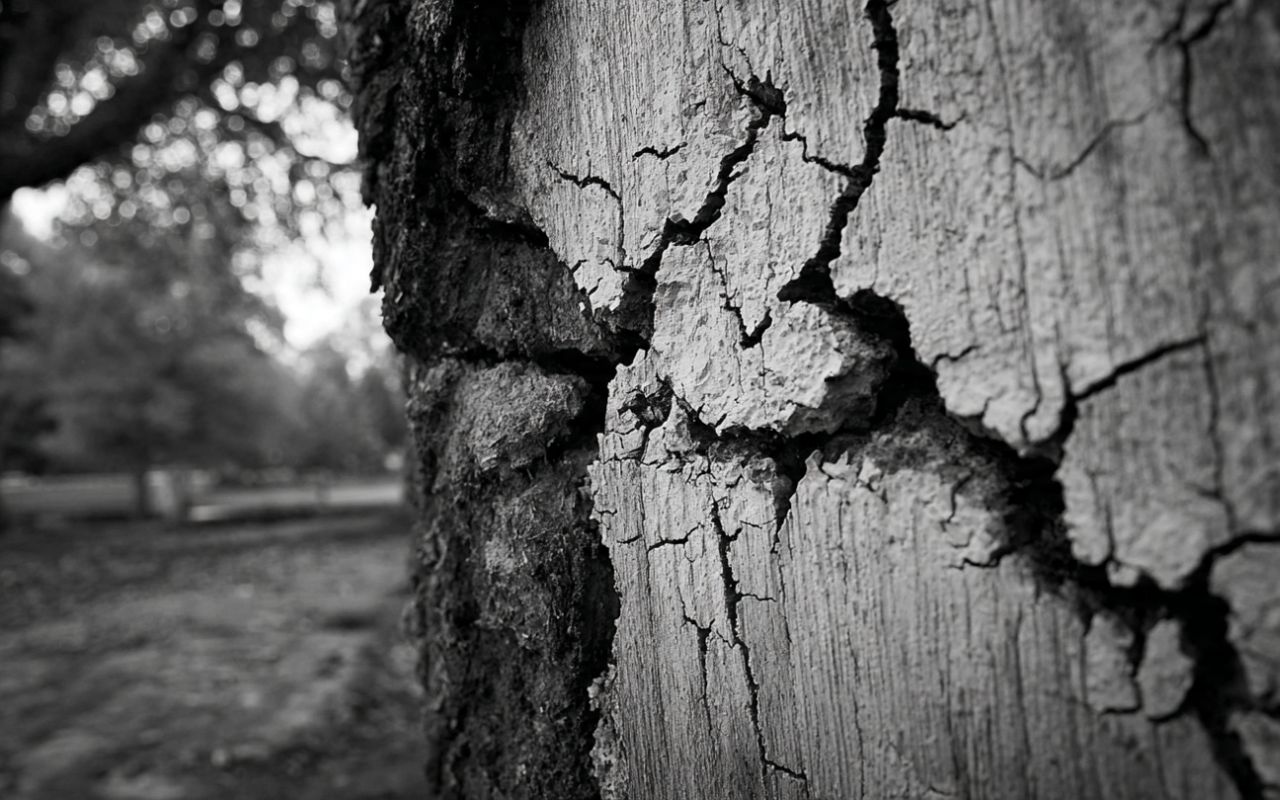
- Major structural cracks in the trunk or at weak branch unions
- A lean that increases each season, especially after storms
- Large dead tops, repeated limb failures, or hollow-sounding trunk sections
- Mushrooms or conks near the base, which can signal internal decay
- Roots lifting soil, breaking sidewalks, or exposing a widened root flare
If several items appear together, the risk often rises quickly. Therefore, a professional inspection is a smart next step. Perez Landscape and Trees LLC can help confirm what you are seeing and what it means.
Deadwood and canopy issues often point to trimming first
Dead branches can be common after drought or storm stress. Still, deadwood above walkways can be dangerous. That is why targeted pruning can lower risk without removing the whole tree.
- Remove dead, rubbing, and damaged limbs to reduce breakage chances
- Thin crowded growth to improve airflow and light penetration
- Correct crossing branches early to support stronger structure later
- Avoid topping, because it creates weak regrowth and future hazards
When to remove vs. trim a Kansas City tree often turns on how much live canopy remains. If most of the canopy is alive, trimming can restore balance. For a deeper guide, review Signs a Tree Needs Trimming You Shouldn’t Ignore.
Deadwood risk scoring basics you can use at home
You do not need special tools to begin. Instead, you can score risk using three simple factors. This is a practical way to think about When to remove vs. trim a Kansas City tree.
- Likelihood of failure: Does the defect look severe or expanding?
- Likelihood of impact: Would a failure hit a roof, car, line, or walkway?
- Consequences: Would the damage be serious if impact occurs?
Next, combine the three factors into a simple rating. For example, low, moderate, or high is enough. If your rating is high, removal may be the safest option. If the rating is moderate, trimming and monitoring may work well. If you want a professional process, see Tree Risk Assessment for Safer Tree Removal Decisions.
Comparing costs and planning the right timeline in Kansas City
Trimming is often less disruptive than removal. However, delaying removal can increase hazards and complexity. Therefore, planning early is usually easier.
- Trim when the tree is healthy but overgrown, unbalanced, or shedding small limbs
- Remove when defects threaten targets and the risk stays high after pruning
- Plan around access, weather, and turf protection to reduce yard damage
- Get documentation after storms, especially if insurance questions arise
Season matters, too. Frozen or drier ground can improve access in many cases. For timing guidance, visit Seasonal Removal Timing and How to Choose the Right Moment.
If you are ready for a Tree removal quote in Kansas City, gather photos and note access points. Then, share target risks, like roofs or power lines. Perez Landscape and Trees LLC can provide clear next steps after an on-site look.
How to decide in 10 minutes before you call a pro
When to remove vs. trim a Kansas City tree can feel complex. Still, this quick process can organize your decision. Do it before you request service, so the visit is more productive.
- Walk the tree and look up, then look down at the root flare.
- Photograph defects, including cracks, cavities, dead tops, and mushrooms.
- Mark nearby targets, including fences, roofs, lines, driveways, and play areas.
- Use Deadwood risk scoring basics to label risk as low, moderate, or high.
- If risk is moderate or high, schedule an inspection right away.
When you want expert help, contact Perez Landscape and Trees LLC for a site visit. Use Contact Perez Landscape and Trees LLC in Kansas City, MO to request an assessment and a clear plan.
FAQs
Do structural cracks always mean a tree must be removed?
Not always. Small surface cracks may be manageable with trimming and monitoring. However, deep splits or expanding seams can raise failure risk fast. A risk assessment helps confirm the safest option. Start with Tree Risk Assessment for Safer Tree Removal Decisions.
How can I tell if trimming will solve the problem?
Trimming helps when the tree is mostly healthy and defects are localized. For example, dead limbs, rubbing branches, and dense growth often respond well. If the trunk and roots are stable, trimming may be enough. Use Signs a Tree Needs Trimming You Shouldn’t Ignore as a checklist.
What are the biggest risks of delaying removal?
Risk increases when decay spreads or storms exploit weak points. As a result, branch drops can happen without warning. Delays can also make removals more complex and disruptive. For safe planning, review Seasonal Removal Timing and How to Choose the Right Moment.
How do I prepare for a Tree removal quote in Kansas City?
First, note tree size, access gates, and nearby targets. Next, share recent storm damage and visible defects. Also, ask about cleanup and stump options. If you need regional removal support, see Who Handles Efficient Tree Removal in Lee’s Summit, MO for service details.
When should I call Perez Landscape and Trees LLC instead of doing it myself?
Call when limbs are large, high, or near lines and roofs. Also, call if you see a worsening lean or major cracking. Professional crews use safer methods and protect your property. Schedule help through Contact Perez Landscape and Trees LLC in Kansas City, MO.
Next steps to keep your yard safe and beautiful
When to remove vs. trim a Kansas City tree is a safety decision first. A healthy tree with minor defects often needs trimming. A stressed tree with severe defects may need removal. Perez Landscape and Trees LLC can inspect, explain options, and act safely. If you want a plan today, reach out and book a visit.
References
- University of Maryland Extension: How Do You Decide When to Remove a Tree?
- Homes & Gardens: Trees that thrive when pruned in February