
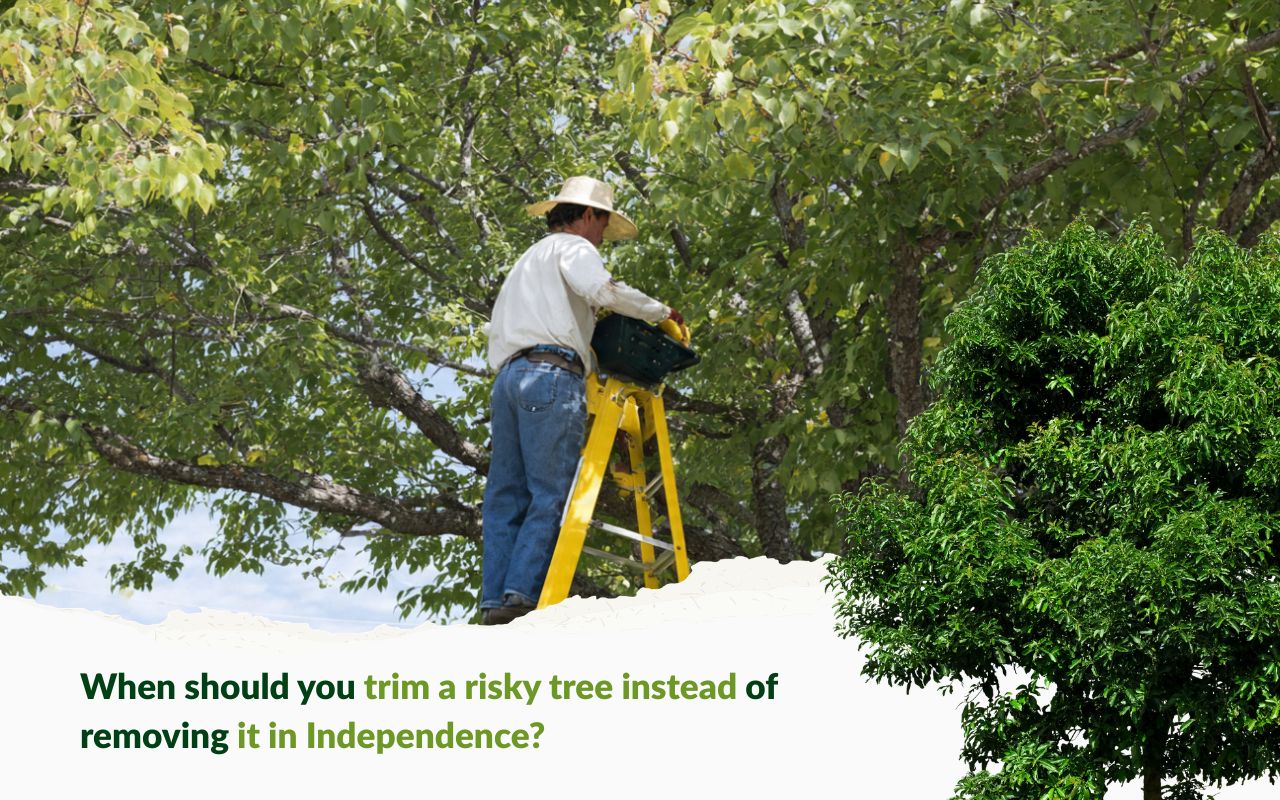
Risky trees can look fine until wind or ice exposes hidden weakness. Therefore, the smartest choice starts with a quick, calm inspection. You can compare visible defects, rate the risk, and choose trimming or removal with confidence. This guide explains clear signs, a simple scoring method, and the next steps for homeowners in Independence.
When should you trim a risky tree instead of removing it in Independence?
In most cases, trim when the problem is limited to isolated dead limbs and the trunk is stable. However, remove when defects threaten the tree’s main support system or nearby targets. Independence when to remove vs. trim a risky tree becomes easier when you check the trunk, crown, and roots in order. Perez Landscape and Trees LLC can confirm the safest option with a professional inspection.
What makes a tree “risky” near your home?
First, risk is a mix of failure chance and what it could hit. Therefore, look for defects and nearby targets at the same time.
- Large limbs over roofs, driveways, play areas, or fences
- Fresh lean, heaving soil, or exposed roots
- Cracks, cavities, or decay on the trunk
- Dead limbs in the upper canopy
- Previous storm damage that never healed
Because targets matter, a “medium” defect over a roof can become a “high” priority quickly. Perez Landscape and Trees LLC often sees this after seasonal storms in the Independence area.
Structural cracks vs deadwood: how to spot the difference fast
Although both are serious, they point to different actions. Structural cracks vs deadwood is a helpful comparison when you are deciding quickly.
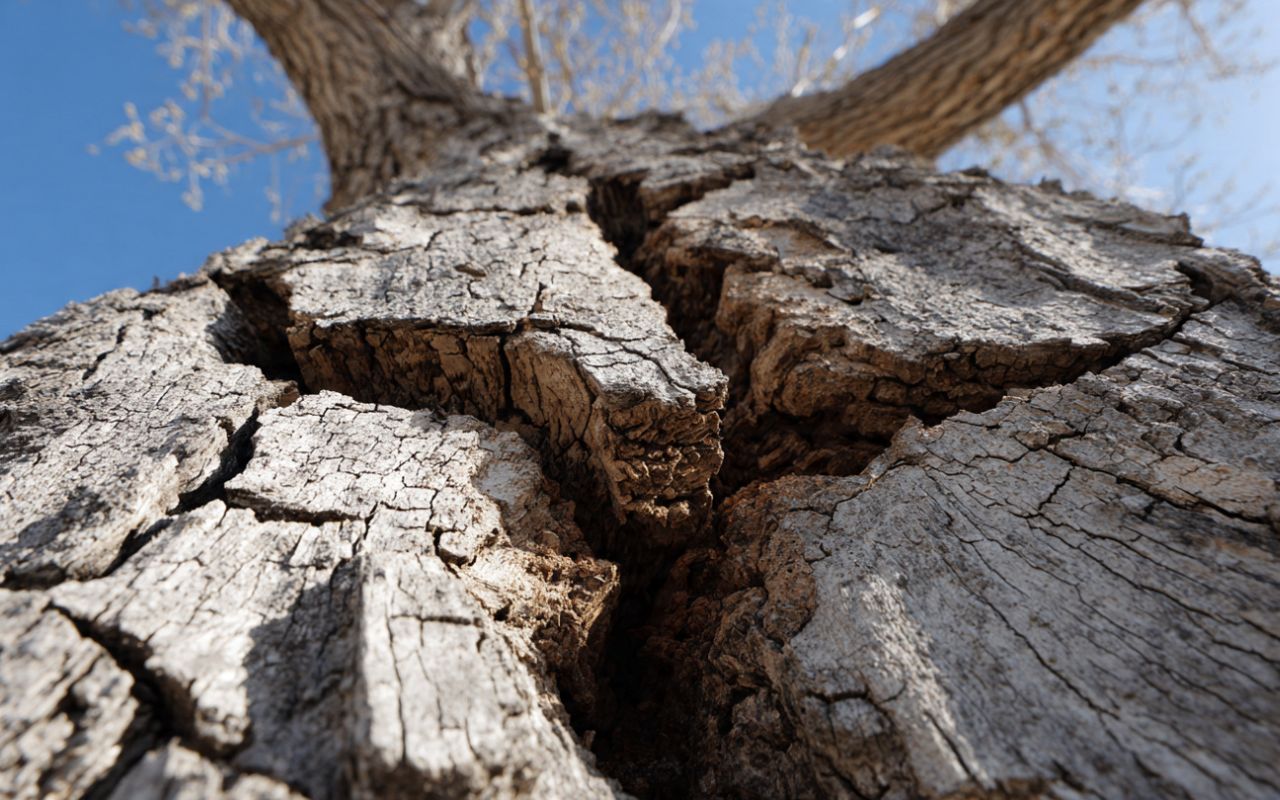
- Structural cracks: splits in the trunk or major limbs, especially with separation or oozing sap
- Deadwood: brittle, leafless branches that snap easily and drop without warning
- Hidden decay: mushrooms, soft wood, or hollow sounds when tapped
In addition, cracks on main leaders often raise the urgency. Meanwhile, scattered deadwood may be solved with careful pruning. Independence when to remove vs. trim a risky tree often hinges on whether the defect is “support” or “cleanup.”
Simple risk scoring you can use in 10 minutes
Simple risk scoring helps you stay objective, even when the tree feels “too big to judge.” Therefore, rate three items from 1 to 3.
- Defect severity (1 minor, 2 moderate, 3 severe)
- Likelihood of failure (1 unlikely, 2 possible, 3 likely)
- Target impact (1 low, 2 medium, 3 high)
Add the numbers. Then, use this quick guide:
- 3–4: usually trimming is enough
- 5–6: schedule an expert assessment soon
- 7–9: treat it as urgent, especially near structures
Because this method is simple, you can repeat it after storms. Independence when to remove vs. trim a risky tree becomes clearer when your score is consistent across seasons.
When trimming is usually sufficient
Trimming works well when the structure is sound and the problem is localized. Therefore, focus on removing hazards while preserving healthy form.
- Single dead limb or small cluster of deadwood
- Minor canopy imbalance after a storm
- Crossing branches that rub and create wounds
- Clearance needs over roofs or walkways
Also, timely pruning improves airflow and light. As a result, trees often recover better. Perez Landscape and Trees LLC recommends seasonal timing checks so trimming stays proactive, not reactive.
When removal is the safer call
Removal is often the best option when the tree’s core support is compromised. Therefore, do not rely on repeated trims to “manage” a structural failure risk.
- Major trunk split or crack on a main leader
- Root damage, lifting soil, or significant lean
- Advanced decay with cavities or fungal growth
- Multiple high-risk defects in one tree
- Failure would likely hit a home, line, or high-use area
In these cases, Independence when to remove vs. trim a risky tree usually favors removal. If you need a Tree removal quote in Independence, start with a documented inspection and a clear plan.
How to walk your yard and decide what to do next
First, do a slow 360° walk. Then, use photos to compare changes over time.
- Check the canopy for hanging limbs and thinning foliage.
- Scan major limbs for splits, cracks, and weak unions.
- Inspect the trunk for cavities, seams, and fresh wounds.
- Look at the base for mushrooms, rot, and girdling roots.
- Note targets like roofs, cars, sidewalks, and power lines.
Finally, apply Simple risk scoring and document your total. If the tree feels urgent, get expert help immediately. Perez Landscape and Trees LLC can guide you from inspection to cleanup.
Get help with inspections, timing, and safe tree decisions
If you want a clear next step, use these guides and service pages. They explain inspections, timing, and safety practices in detail.
- Tree Risk Assessment for Safer Tree Removal Decisions
- Seasonal Removal Timing for Trees in Kansas City
- Your Guide to Kansas City Tree Removal Inspection Process
Also, if a hazardous tree is near your home, request fast service here: Tree Removal in Independence, MO Fast Emergency Help. Then, for scheduling, message the team at Contact Perez Landscape and Trees LLC in Kansas City, MO.
FAQs
How do I decide Independence when to remove vs. trim a risky tree after a storm?
First, check for hanging limbs and fresh cracks. Then, score the defect, likelihood, and target impact. If the trunk or roots show failure signs, plan removal. For a safer next step, review Tree Risk Assessment for Safer Tree Removal Decisions and schedule an on-site visit with Perez Landscape and Trees LLC.
What matters more: structural cracks or dead limbs?
Usually, cracks in the trunk or main leaders are more urgent. They can signal a support failure. Meanwhile, dead limbs can often be pruned if the structure is sound. For decision support, use Your Guide to Kansas City Tree Removal Inspection Process as a checklist-style reference.
Can Simple risk scoring replace a professional arborist inspection?
It helps you prioritize, but it cannot confirm internal decay. Therefore, use it as a first filter. Then, book a professional assessment for high scores or valuable trees. Perez Landscape and Trees LLC can validate your notes and recommend trimming or removal based on site conditions.
When is the best season to schedule removal or heavy pruning?
Timing depends on access, weather, and tree health. However, dormant seasons often improve visibility and reduce turf impact. For seasonal guidance, read Seasonal Removal Timing for Trees in Kansas City and align your plan with local conditions.
How do I get a Tree removal quote in Independence without surprises?
Start with an inspection that notes defects, targets, and access challenges. Then, ask about cleanup and stump options. To begin, visit Tree Removal in Independence, MO Fast Emergency Help and request scheduling through Contact Perez Landscape and Trees LLC in Kansas City, MO.
Ready to protect your property with a clear plan?
When safety is at stake, quick clarity matters. Independence when to remove vs. trim a risky tree is easier when you follow a consistent process. For dependable help, start with Tree Services in Kansas City, MO Removal and Trimming and connect with Perez Landscape and Trees LLC today. Perez Landscape and Trees LLC will help you choose the safest path, whether that is pruning, removal, or monitoring.
References
- 8 Signs A Tree On Your Property Could Be Unsafe (Southern Living)
- Can Extreme Cold Really Make Your Trees Explode? Here’s What an Arborist Says (Better Homes & Gardens)