
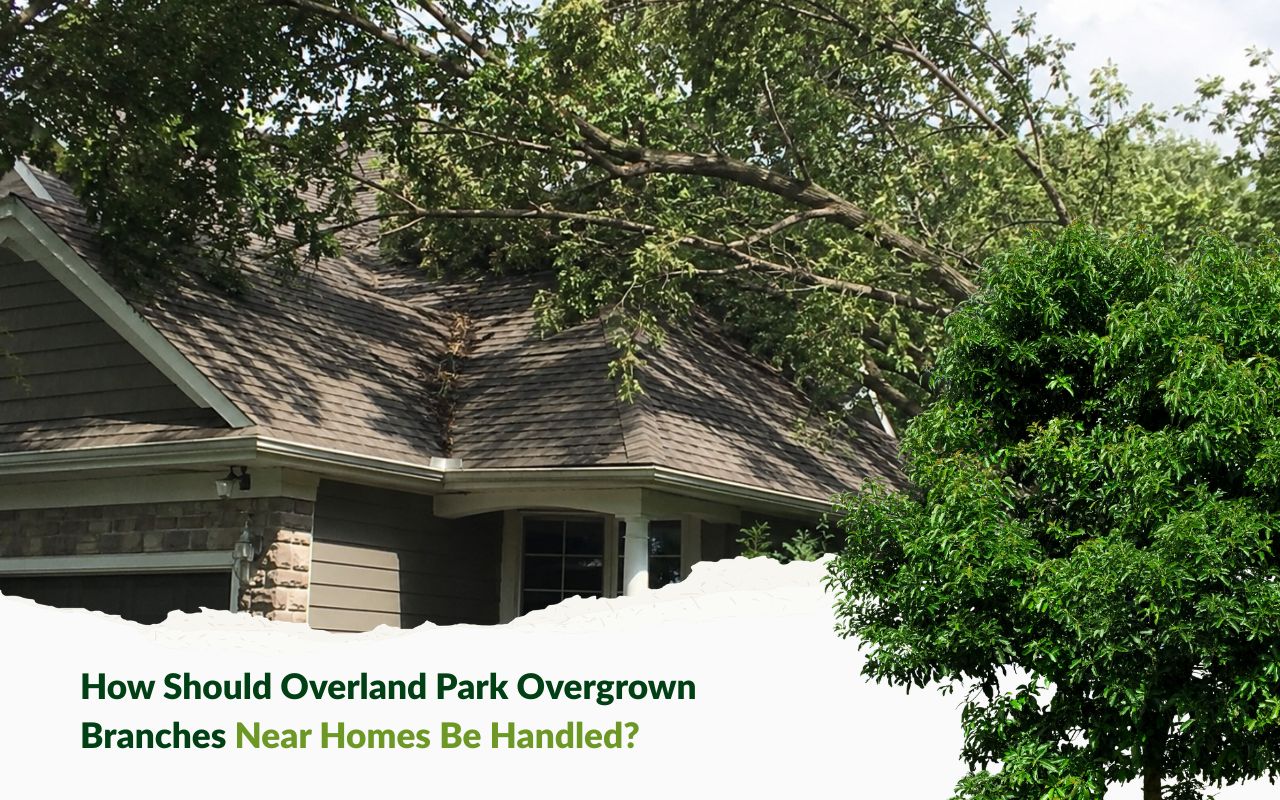
Branches that touch roofs, gutters, and driveways can turn a calm Overland Park yard into a repair risk. When customers contact Perez Landscape and Trees LLC, we help them spot unsafe limbs, understand clearance needs, and plan careful trimming before branches create bigger problems.
How Should Overland Park Overgrown Branches Near Homes Be Handled?
Overland Park overgrown branches near homes should be handled with careful trimming, clear driveway access, and early risk checks. The goal is to protect roofs, gutters, siding, vehicles, and walkways while keeping each tree healthy and balanced.
Branch trimming near a home involves removing or reducing limbs that touch structures, block driveways, or hang over daily-use areas. Homeowners need this service when tree growth creates safety, access, or property damage concerns. Careful trimming solves these problems by improving clearance, reducing weak limb pressure, and protecting the tree’s shape.
Overland Park Overgrown Branches Near Homes Require Early Action
Tree limbs near a house need attention before they scrape shingles, press against gutters, or block safe movement. Early trimming reduces property risk, improves outdoor access, and helps homeowners avoid sudden damage after wind, rain, ice, or heavy seasonal growth.
At Perez Landscape and Trees LLC, we focus on tree shape, branch weight, and nearby structures before recommending cuts. Limbs can look harmless from the ground, yet still rub against roofing or siding during storms.
- Branches touching the roof can wear shingles and move debris into gutters.
- Low limbs over driveways can scrape vehicles and block safe parking.
- Dead or cracked branches can fall without much warning.
- Dense canopy growth can trap moisture near walls and shaded walkways.
Overland Park overgrown branches near homes are easier to manage when trimming starts before limbs become heavy. A careful inspection helps decide what should be removed, reduced, or left alone.
Roof Damage From Limbs Starts With Small Contact
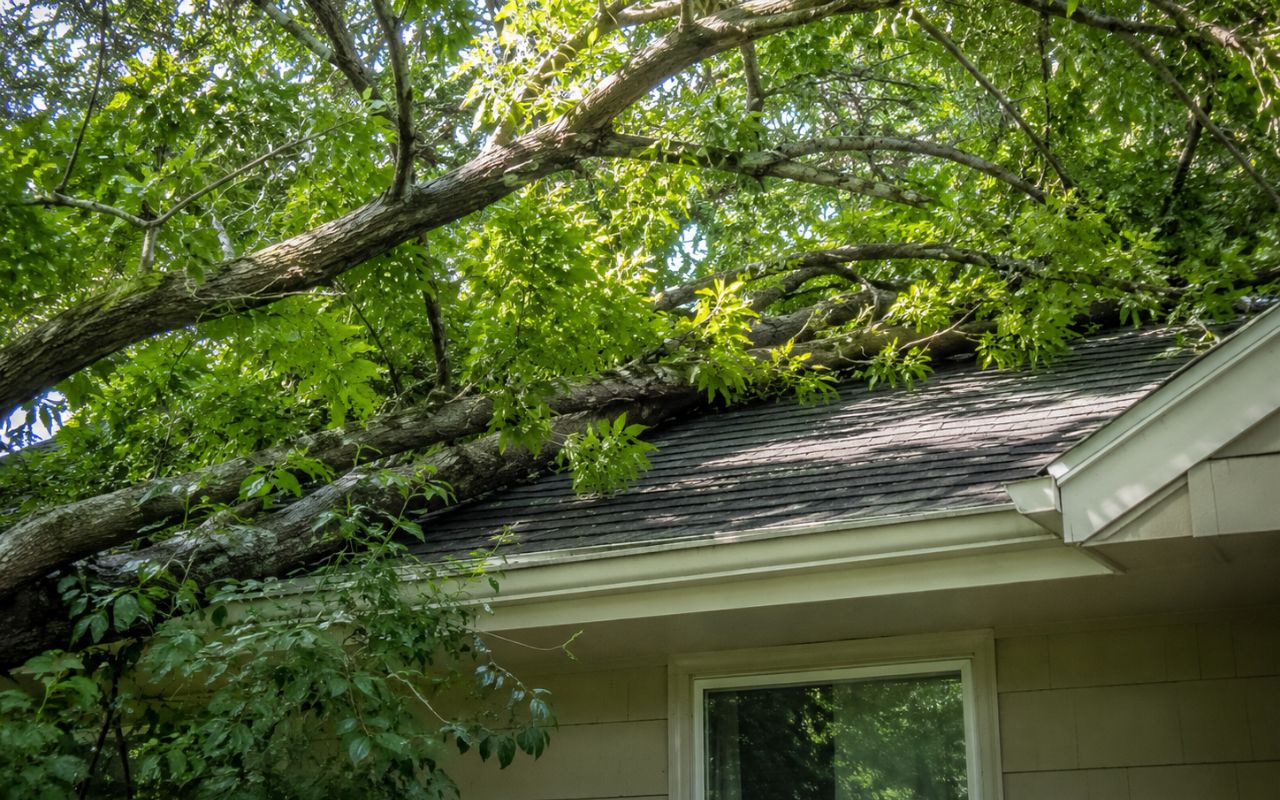
Roof damage from limbs often begins with light rubbing, falling twigs, or leaves collecting near gutters. Over time, repeated contact can loosen shingles, clog drainage, and expose weak roof areas during strong wind or winter ice.
Branches do not need to fall to cause damage. A limb that brushes the same roof area many times can wear the surface slowly. Gutters may also pull away when heavy branches press or drop debris into them.
With Perez Landscape and Trees LLC, you get clear guidance before trimming begins. We look for limb direction, roof distance, weak unions, and signs of decay. Then we explain which cuts help reduce risk without removing too much growth.
According to the USDA Forest Service, safety pruning includes removing branches that may fall, interfere with sight lines, or grow into utility areas. Safe trimming protects both the home and the tree when cuts are planned correctly.
Driveway Clearance Basics Keep Daily Access Much Safer
Driveway clearance basics help homeowners keep vehicles, guests, and service crews moving safely. Branches should not hang low enough to scrape vehicles, block mirrors, hide pedestrians, or force drivers to steer around limbs near the garage or curb.
Clear driveways matter every day, not only during storms. A low branch can scratch paint, catch a roof rack, or block a driver’s view when backing out. For families, delivery drivers, and visitors, open access reduces daily frustration.
- Compare branch height with your tallest regular vehicle.
- Check whether limbs hang lower after rain or snow.
- Look for branches that block outdoor lights or house numbers.
- Watch for limbs that touch vehicles during windy weather.
Driveway clearance basics also include cleanup. Cut limbs should be removed from travel paths, sidewalks, and curb areas so the property stays neat and usable after trimming.
Branch Trimming Service in Overland Park, KS Reduces Risk
A branch trimming service in Overland Park, KS is useful when limbs are large, high, close to the roof, or near busy outdoor areas. Professional trimming helps reduce damage risk while protecting tree structure and nearby property features.
Large branches can shift, split, or fall in ways that are hard to control. Ladders, saws, and heavy limbs also create safety concerns for homeowners. Our team at Perez Landscape and Trees LLC explains the safest next step before work begins.
- DIY trimming may fit small, low, reachable branches.
- Professional help is better for roofline, driveway, and high canopy work.
- Expert review is important when limbs are cracked, hollow, or storm damaged.
- Planned trimming supports healthy regrowth and better canopy balance.
Homeowners can also review Signs a Tree Needs Trimming You Shouldn’t Ignore before deciding whether a tree needs attention soon.
Safe Booking Steps Prepare Your Property For Service
Booking a trimming visit works best when we understand the tree, the nearby structures, and the main concern first. Clear details help us prepare the right approach, review access needs, and explain what the customer can expect.
After you reach out, we ask about the branch location, the type of concern, and any recent storm damage. Photos can also help us understand whether the issue involves the roof, driveway, sidewalk, fence, or utility area.
- Share the property address and the branch concern.
- Tell us whether limbs touch the roof, vehicle path, or walkway.
- Send photos when possible so we can review the area.
- We inspect the tree and explain safe repair options.
- Once trimming is complete, we review cleanup and next care steps.
When you choose Perez Landscape and Trees LLC, we help you feel prepared before the visit. You can start through Contact Our Tree Care Team and explain what branches are causing concern.
Smart Tree Care Supports Safer Long-Term Growth
Regular branch care supports stronger trees, safer outdoor areas, and cleaner curb appeal. Trimming is not only about removing problem limbs; it also guides future growth so branches are less likely to crowd roofs, driveways, and walkways.
Tree health depends on the right cuts at the right time. Removing too much can stress a tree, while waiting too long can allow weak limbs to grow heavier. Kansas State University Extension notes that pruning decisions often depend on plant type, timing, and growth habits.
For deeper guidance, visit Expert Arborist Advice to Keep Your Trees in Top Shape. A planned approach helps protect shade, beauty, and long-term property value.
Frequently Asked Questions
How do I know if branches are too close to my roof?
Branches are too close when they touch shingles, scrape gutters, drop heavy debris, or move against the roof during wind. You can compare warning signs with Signs a Tree Needs Trimming You Shouldn’t Ignore.
When should I trim low branches over my driveway?
Trim low branches when they scrape vehicles, block visibility, or hang lower after rain or snow. Clear access helps prevent scratches, broken limbs, and unsafe backing or parking.
What happens if I ignore roof damage from limbs?
Ignoring roof damage from limbs can lead to worn shingles, clogged gutters, leaks, and higher repair needs. Small contact should be handled before storms make the problem worse.
Why is professional trimming safer near the house?
Professional trimming is safer near the house because large limbs can fall unpredictably. A trained crew can assess weight, structure, access, and nearby surfaces before making cuts.
How can I request help with risky tree branches?
You can request help by sharing your address, photos, and the branch location through Contact Our Tree Care Team. Clear details help us understand the safest next step.
Clear Trimming Decisions Protect Your Home And Landscape
Overland Park overgrown branches near homes should be handled before they damage roofs, block driveways, or create unsafe outdoor areas. For careful guidance and practical next steps, schedule service through Contact Our Tree Care Team.
References
Pruning Trees and Shrubs: It’s all in the timing