
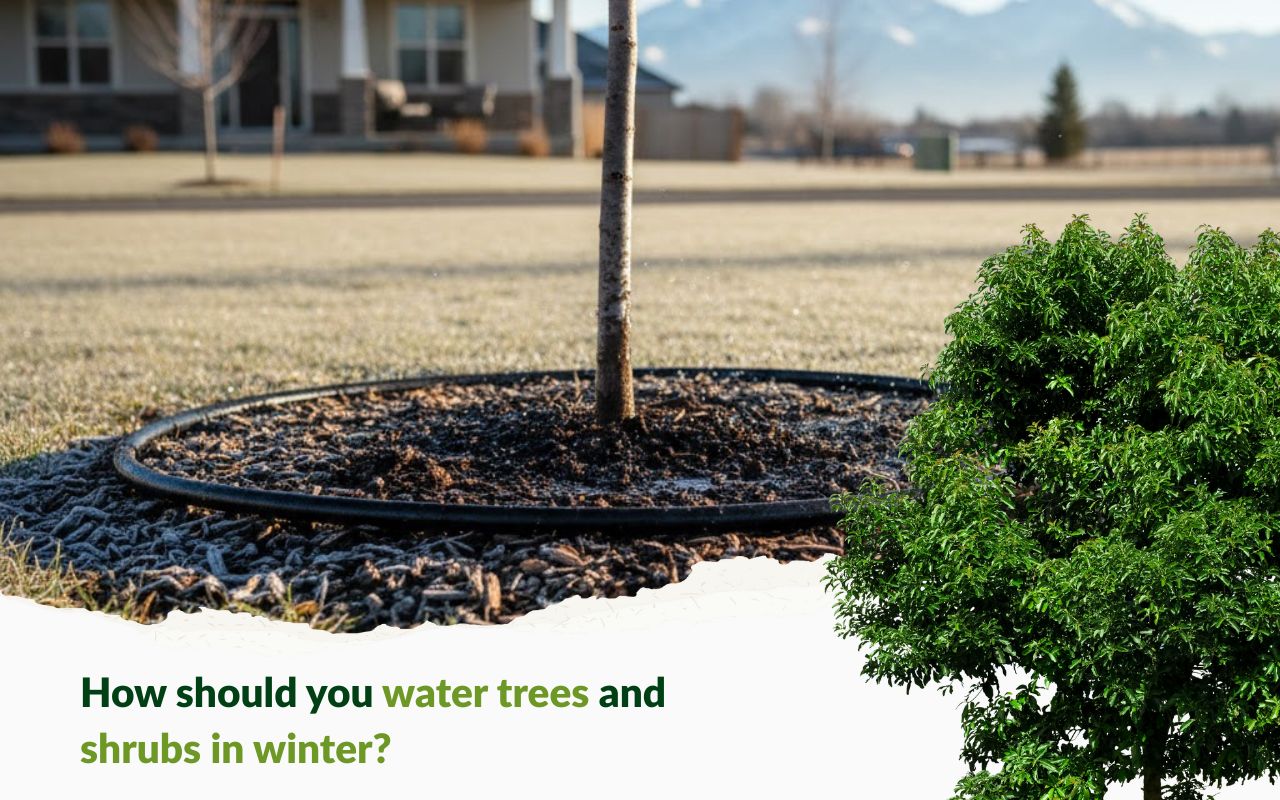
Winter in Grandview, MO can be tough on trees and shrubs, even when they look completely dormant. Cold winds, frozen soil, and dry spells slowly drain moisture from their roots. With a thoughtful winter watering routine, you can prevent hidden damage and keep your landscape strong, healthy, and ready to burst back to life in spring throughout Grandview yards everywhere.
How should you water trees and shrubs in winter?
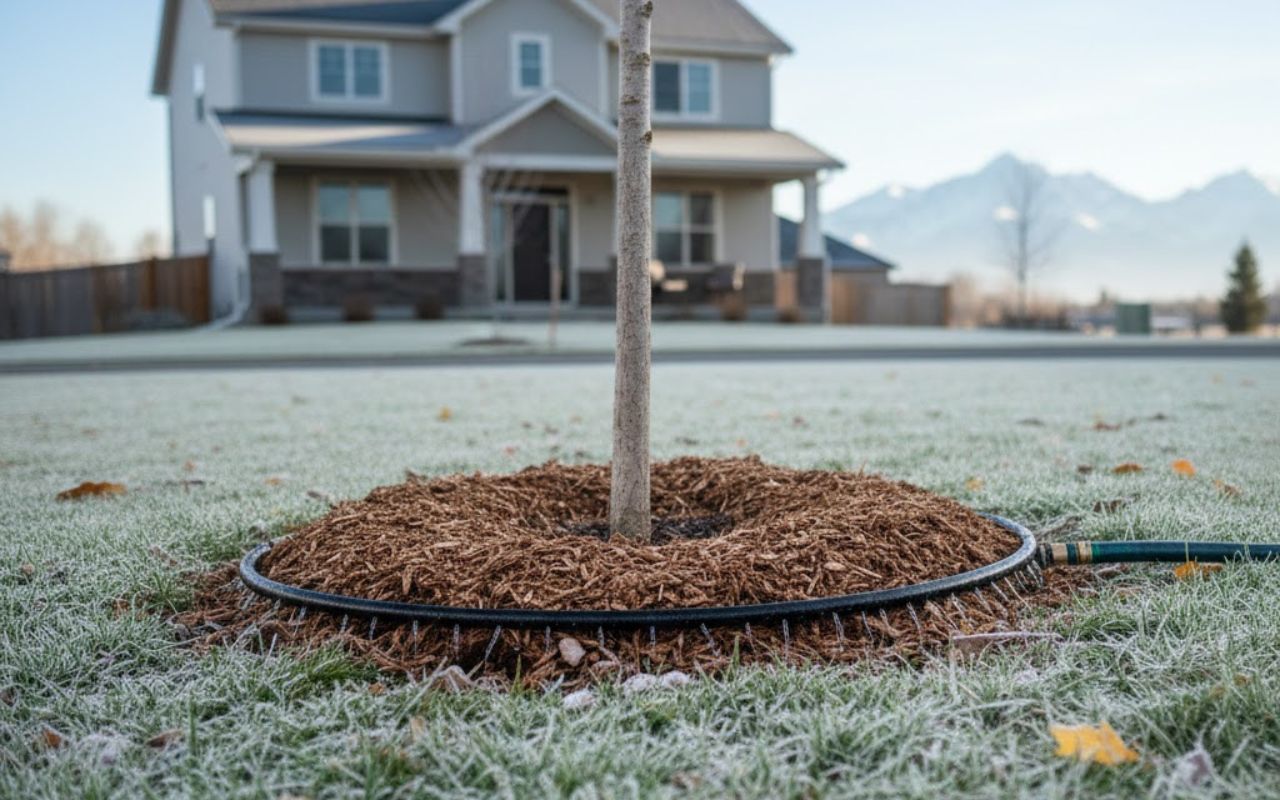
On mild, above-freezing days in Grandview, MO, soak the soil slowly around the drip line, not the trunk or foliage. Water every three to four weeks during dry spells, then let the soil partially dry before the next thaw. Avoid watering when the ground is frozen solid or temperatures are well below freezing.
Understanding winter water needs in Grandview, MO
Even in winter dormancy, roots in Grandview, MO soils stay partly active and keep drawing small amounts of moisture. Frozen top layers can fool you into thinking plants do not need water, but long dry stretches weaken roots and buds for the coming season.
By following Winter Watering Tips for Trees and Shrubs tailored to local freeze–thaw cycles, you avoid both drought stress and waterlogged roots, so trees leaf out strongly and shrubs bloom reliably when spring temperatures return.
To stay organized beyond winter, pair your watering routine with a year-round tree maintenance calendar so inspections, pruning, and irrigation checks never fall behind.
Key factors that affect winter hydration
How often you water in winter depends on your site conditions as much as the temperature. In Grandview, MO, several details determine how quickly soil dries and how well water reaches roots.
- Soil type: Heavy clay holds water longer and can stay soggy, while sandy or amended beds drain quickly and dry out between thaws.
- Exposure to wind and sun: Open, windy areas and south-facing slopes lose moisture faster than sheltered, shaded spots near buildings or fences.
- Plant age and species: Newly planted or shallow-rooted shrubs dry out more quickly than mature, deep-rooted trees.
- Natural precipitation: Snow and light rain help, but long gaps between storms still call for supplemental watering.
- Fall preparation: Trees that entered winter stressed, poorly pruned, or rootbound will need more careful monitoring.
Best Winter Watering Tips for Trees and Shrubs
Focus on deep, occasional soakings that reach the root zone without leaving standing water. These Winter Watering Tips for Trees and Shrubs help your Grandview landscape handle cold, wind, and dry spells.
- Water during midday when temperatures rise above freezing so liquid can soak in before evening refreezing.
- Place the hose or soaker around the drip line, moving it slowly so water sinks 6–12 inches into the soil.
- Stop watering when you see runoff; puddles can freeze into damaging ice around trunks and surface roots.
- Add a 2–4 inch layer of organic mulch around the root zone, keeping it a few inches away from the trunk to prevent rot and pests.
- Turn off automatic sprinklers for the season and rely on targeted hand-watering to avoid ice on walks, drives, and branches.
- Combine smart watering with regular structure cuts using trusted seasonal pruning tips so branches are less likely to snap under snow or ice.
How to water trees and shrubs in winter step by step
Use these Winter Watering Tips for Trees and Shrubs as a simple routine whenever the forecast gives you a thaw window.
- Check the weather: Look for a day above freezing, ideally in the 40s, with no major storm or deep freeze arriving within the next few hours.
- Test the soil: Push a screwdriver or trowel 4–6 inches into the ground. If it slides in easily and feels moist, you can wait; if it is hard and dry, plan to water.
- Set up slow watering: Use a soaker hose or low-flow setting and place it around the drip line instead of at the trunk.
- Soak deeply: Let water run 20–30 minutes per position for shrubs and longer for large trees, adjusting for soil type and slope.
- Check containers: Move potted shrubs to sheltered spots and water when the top inch of soil is dry, emptying saucers so water does not freeze around roots.
- Walk the yard: After watering, look for runoff, puddles, or icy patches and adjust your technique next time to reduce waste and risk.
Monitoring soil moisture and adjusting your plan
Regular moisture checks prevent both overwatering and drought stress. A long screwdriver, soil probe, or basic moisture meter tells you more than the surface appearance of frozen ground.
If the tool sinks easily and comes out damp, you can usually pause watering. If it barely penetrates and comes out dry, it is time to schedule another midday soak. Watch foliage as well: needles or leaves that look brittle, bronzed, or suddenly dropping can signal dehydration.
Also be alert for soggy, foul-smelling soil or persistent puddles, which indicate saturation. In those areas, stop watering until conditions improve and consider adjusting mulch depth or grading.
If you notice cracked trunks, broken limbs, or suspicious leaning after storms, compare what you see with common signs of storm-damaged trees and the hidden risks of overgrown branches.
Frequently Asked Questions
How often should I water trees in winter in Grandview, MO?
Most established trees need deep watering every three to four weeks during dry, snow-free periods. Newly planted trees may need a bit more frequent soaking. Always confirm with a soil test rather than watering on a fixed calendar.
Do newly planted trees and shrubs need extra winter watering?
Yes. Young plants have smaller root systems and dry out faster. Plan more frequent checks and gentle soakings their first few winters, then transition to the schedule recommended in your tree maintenance calendar.
Can I use my sprinkler system for winter watering?
Sprinkler systems are risky in freezing weather; they can ice over walks, drives, and branches. Shut down irrigation systems for the season and rely on hoses, watering wands, or soakers so you can target roots only on safe, above-freezing days.
When should I stop winter watering and shift to spring care?
As soil thaws consistently and spring rains return, you can reduce winter-style deep soakings. At that point, follow your regular seasonal schedule, integrating seasonal pruning tips and fertilizer recommendations where appropriate.
When is it best to call a local expert for help?
If you see dieback, mushrooms near the base, major leaning, or repeated winter browning, schedule certified arborist advice. For tailored watering plans or urgent concerns, you can also contact Perez Landscape & Maintenance for a winter health assessment.
Ensuring year-round health for trees and shrubs
Healthy winter roots create vibrant spring canopies. Consistent Winter Watering Tips for Trees and Shrubs plus thoughtful pruning, mulching, and soil care help your Grandview landscape resist pests, disease, and storm damage.
Use winter’s slower pace to inspect structures, refine your watering routine, and plan improvements. With a clear schedule, reliable monitoring, and local expert support when needed, your trees and shrubs can stay lush and resilient in every season.
References
- Better Homes & Gardens – Why You Should Keep Watering Trees in Winter
- CBS News Colorado – Why fall and winter watering still matters