
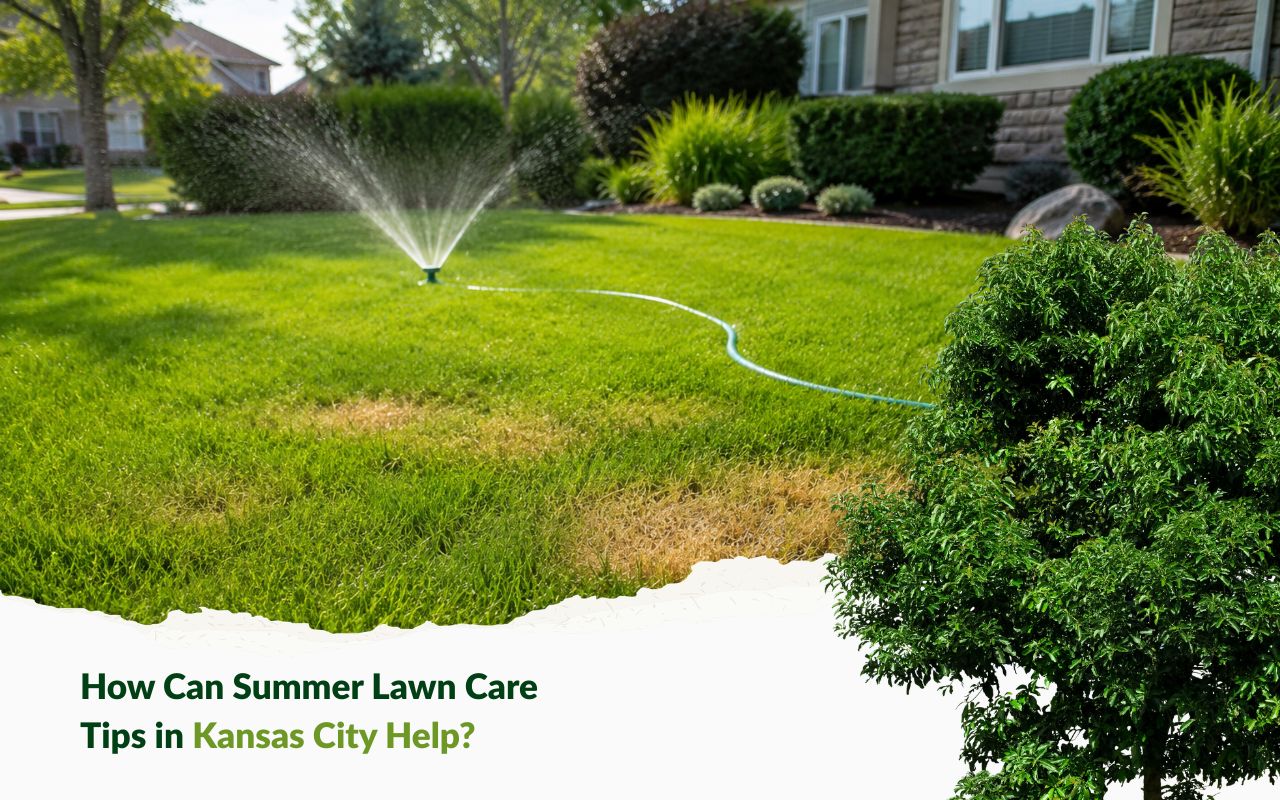
Hot Kansas City summers can stress even healthy lawns. However, smart timing can help grass stay stronger. At Perez Landscape and Trees LLC, we help homeowners understand watering, mowing, soil care, and warning signs before brown spots spread.
How Can Summer Lawn Care Tips in Kansas City Help?
Summer lawn care tips in Kansas City help homeowners protect grass from heat, dry soil, weeds, and brown spots. The right plan includes deep watering, careful mowing, smart feeding, and regular inspections during the hottest weeks.
Summer lawn care tips in Kansas City are simple steps that protect turf during heat, drought, and heavy use. Homeowners need them when grass wilts, fades, or develops dry patches. These tips solve common summer problems by improving root strength, soil moisture, mowing habits, and seasonal timing.
Schedule Summer Lawn Care Tips in Kansas City With Confidence
Summer lawn care works best when watering, mowing, soil care, and inspections follow local heat patterns. In Kansas City, a clear June-to-August plan helps grass handle dry spells, weeds, pests, and heavy use without daily guesswork.
First, build your routine around weather, not only the calendar. Heat, wind, rain, soil type, and shade all change how fast your lawn dries. Therefore, a flexible plan works better than a fixed habit.
Perez Landscape and Trees LLC recommends checking the yard weekly during hot weather. Look for wilting, gray-green blades, thin areas, and dry soil. Then, adjust your next step before stress becomes damage.
- Check soil moisture before adding more water.
- Water deeply when grass shows early wilt.
- Mow higher during heat waves.
- Watch for insects, fungus, and spreading weeds.
- Use local help when problems keep returning.
According to MU Extension, Missouri lawns may need 1 to 1 1/2 inches of water per week during summer to stay green and active. This makes watering lawn summer heat in Kansas City, MO a timing issue, not only a water amount issue.
Water Kansas City Lawns Deeply During Hot Weather
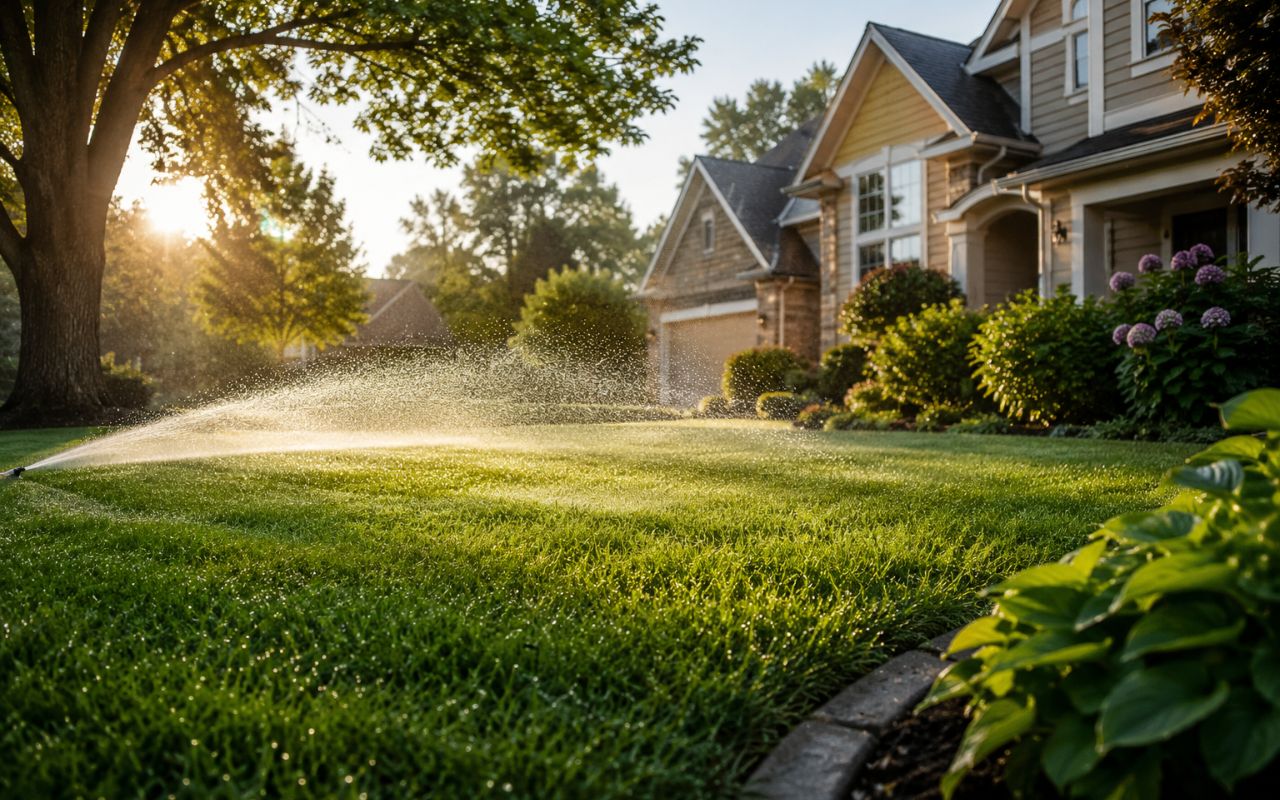
Deep watering helps grass grow stronger roots during summer heat. Instead of watering a little every day, lawns usually respond better to slower watering that reaches the root zone and reduces shallow, weak growth.
Water early in the morning, preferably between 5 a.m. and 9 a.m. This timing helps more moisture enter the soil. Also, grass blades dry sooner, which may reduce disease pressure.
Use empty tuna cans or small rain gauges around the yard. Then, measure how evenly your sprinkler works. If one area gets too much water and another stays dry, brown spots may appear.
| Summer Lawn Sign | Helpful Next Step |
|---|---|
| Grass looks gray-green or wilted | Water deeply in the early morning. |
| Water runs down the slope | Water in shorter cycles with breaks. |
| Brown patches spread in sunny areas | Check moisture, insects, mowing height, and disease. |
| Soil stays wet but grass wilts | Improve drainage and avoid extra watering. |
EPA WaterSense reports that a poorly maintained automatic irrigation system can waste up to 25,000 gallons of water each year. Therefore, sprinkler checks matter during Kansas City summers.
Key Takeaway: A summer lawn plan should match local heat, soil moisture, and grass stress. Deep morning watering usually helps more than light daily watering.
Mow Taller Grass To Reduce Summer Heat Stress
Taller grass shades the soil and helps roots stay cooler during summer. Proper mowing also reduces moisture loss, supports thicker turf, and makes weeds less likely to take over thin or scalped areas.
Keep mower blades sharp. Dull blades tear grass tips and make the lawn look brown. Also, torn blades may lose moisture faster during hot weather.
Follow the one-third rule. Do not remove more than one-third of the grass blade in one mowing. During extreme heat, raise the mower slightly to protect the crown of the plant.
- Mow when grass is dry.
- Raise mowing height during heat waves.
- Leave short clippings when they spread evenly.
- Trim edges without scalping soil.
- Reduce mowing when growth slows in July or August.
Grass clippings can return helpful organic matter when they are short and thin. However, thick clumps should be removed so they do not block light or hold moisture.
Prevent Brown Spots By Finding The Real Cause
Brown spots can come from heat stress, dry soil, dull mowing, insects, disease, pet urine, or poor drainage. Therefore, preventing lawn brown spots summer in KC starts with diagnosis before treatment.
First, inspect the shape of the brown area. Round patches may point to disease. Irregular dry areas may point to sprinkler coverage. Turf that lifts like carpet may suggest grub damage.
Next, check your watering pattern. Sometimes one sprinkler head misses a corner. Also, slopes may lose water before roots can absorb it. Small changes can prevent bigger repairs.
Perez Landscape and Trees LLC checks lawn stress signs, nearby shade, soil moisture, and yard conditions before recommending a solution. That helps avoid wasted treatments.
- Dry soil often needs slower, deeper watering.
- Wet soil may need better drainage.
- Thin turf may need overseeding later.
- Spreading spots may need pest or disease care.
- Scalped areas may need a higher mowing height.
Key Takeaway: Mowing height and brown-spot checks work together. Taller grass protects roots, while careful inspection helps identify the real cause of damage.
Fertilize Missouri Lawns Carefully Around Early Summer
Fertilizer timing matters because summer heat can stress grass. For many cool-season lawns, heavy nitrogen during hot weather can increase problems, so fertilizing lawn June in Missouri should be careful and soil-based.
Before feeding, look at your grass type. Tall fescue, bluegrass, zoysia, and Bermuda respond differently. Also, shaded yards and sunny yards may need different care.
MU Extension notes that well-managed tall fescue may require 25 percent less water than Kentucky bluegrass. It also notes that zoysiagrass may require 50 percent less water than Kentucky bluegrass in Missouri.
Use a soil test when possible. A soil test helps guide fertilizer type and amount. Therefore, you avoid guessing and reduce the risk of overfeeding during stressful weather.
For broader outdoor planning, explore our landscaping services. A healthy lawn often works best with proper mulch, beds, drainage, and shade planning.
Choose Local Help For Reliable Summer Lawn Results
Local help can save time when summer lawn problems keep returning. A professional team can inspect watering, mowing, soil, pests, weeds, and landscape layout to create a practical care plan.
A lawn maintenance service Overland Park KS summer plan may be useful when your schedule is busy. It may also help when your lawn has several issues at once.
Ask what each visit includes. Some plans focus on mowing. Others may include trimming, cleanup, weed control, bed care, or seasonal landscape work.
Perez Landscape and Trees LLC works with residential and commercial properties across the Kansas City area. We help customers understand practical outdoor options before work begins.
You can also review our complete outdoor services if your yard needs lawn, tree, landscape, or hardscape support together.
Key Takeaway: Fertilizer should match grass type, soil needs, and heat conditions. Local help can make summer care more consistent and easier to manage.
Follow A Simple Summer Lawn Care Routine
A simple routine keeps summer lawn care manageable. Weekly checks, smart watering, higher mowing, and fast problem spotting help homeowners protect grass without waiting until the lawn turns brown.
Start each week by walking the yard. Look at sunny spots, shaded areas, slopes, and places near sidewalks. These zones often dry at different speeds.
Then, adjust watering based on rainfall and soil moisture. Also, keep mowing steady while grass is growing. However, avoid cutting too short when the heat rises.
- Check for wilt, dry soil, weeds, and pests.
- Water early when the lawn needs moisture.
- Mow high and never scalp the grass.
- Clear thick clippings from the lawn surface.
- Plan repairs or overseeding after peak heat.
For seasonal outdoor timing beyond turf, use our tree care calendar. Trees, shade, roots, and beds can all affect lawn health.
Frequently Asked Questions
How do I know if my lawn needs more water?
Your lawn may need water when grass wilts, turns gray-green, or feels dry underfoot. Also, footprints may stay visible longer. For broader yard support, visit our landscaping services.
When should I water my lawn during summer heat?
Water in the early morning, ideally before the day becomes hot. This helps moisture reach the roots. It also helps grass blades dry before evening.
What happens if I mow my grass too short?
Short mowing exposes soil to more heat. It can weaken roots, increase weeds, and make brown spots worse. If your yard needs regular care, review our complete outdoor services.
Why is my lawn turning brown even after watering?
Brown grass after watering may come from pests, fungus, compacted soil, runoff, or uneven sprinkler coverage. A lawn inspection can help find the real cause before treatment.
How do I get help with summer yard care?
You can start by sharing your lawn concerns and yard goals with our team. Use our contact our team page to request help.
Build A Cooler Greener Yard With Local Guidance
Summer lawn care tips in Kansas City work best when they fit your property. Perez Landscape and Trees LLC can help you plan practical care, improve outdoor spaces, and protect your yard through hot weather. Start with our contact our team page.