
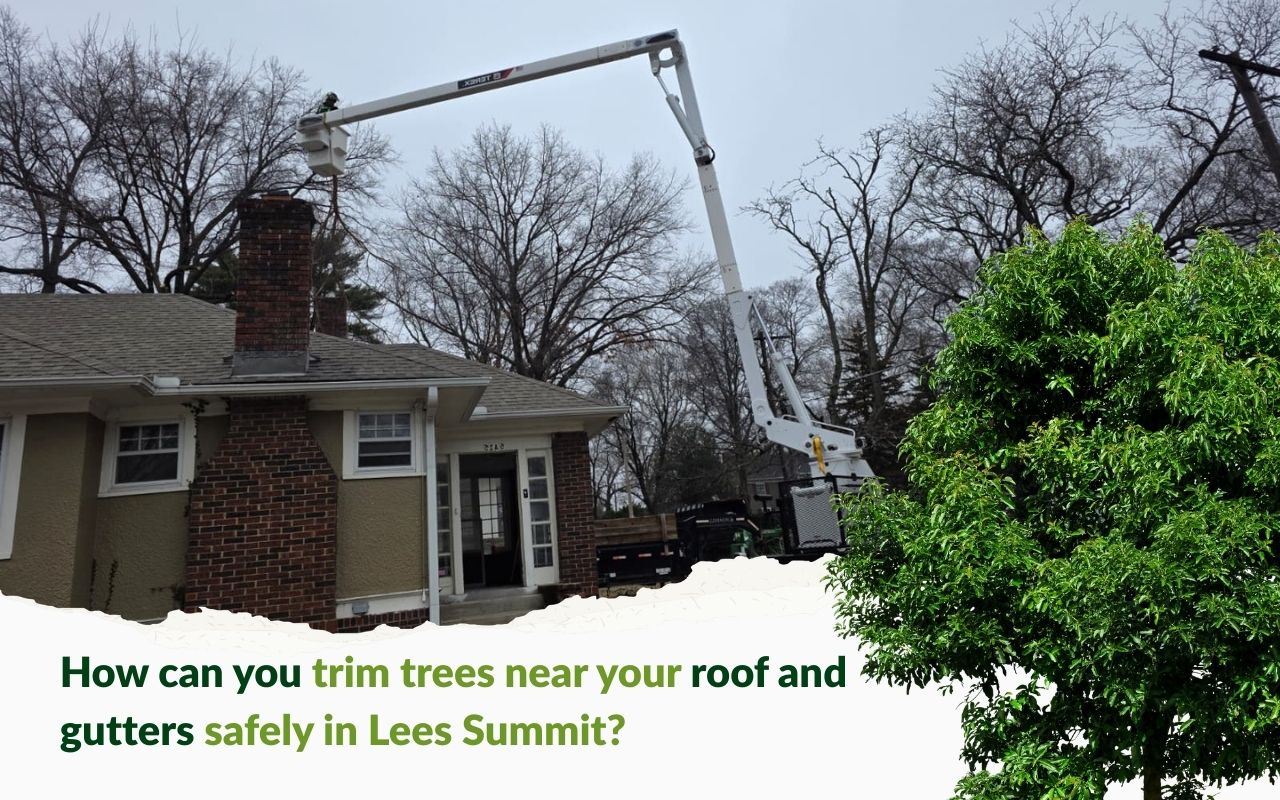
Tree limbs near roofs and gutters can cause leaks, clogs, and costly wear. However, smart trimming reduces damage and keeps water flowing. In Lee’s Summit, homeowners can protect shingles, fascia, and downspouts with simple safety habits. Use the tips below to trim with confidence and keep your home’s roofline clean.
How can you trim trees near your roof and gutters safely in Lee’s Summit?
You can trim safely by keeping branches off roofing surfaces, using the right tools, and cutting in controlled steps. Therefore, you reduce gutter clogs, shingle wear, and storm damage. For complex cuts, choose insured professionals who plan drops away from the roofline.
Roofline clearance matters for your home
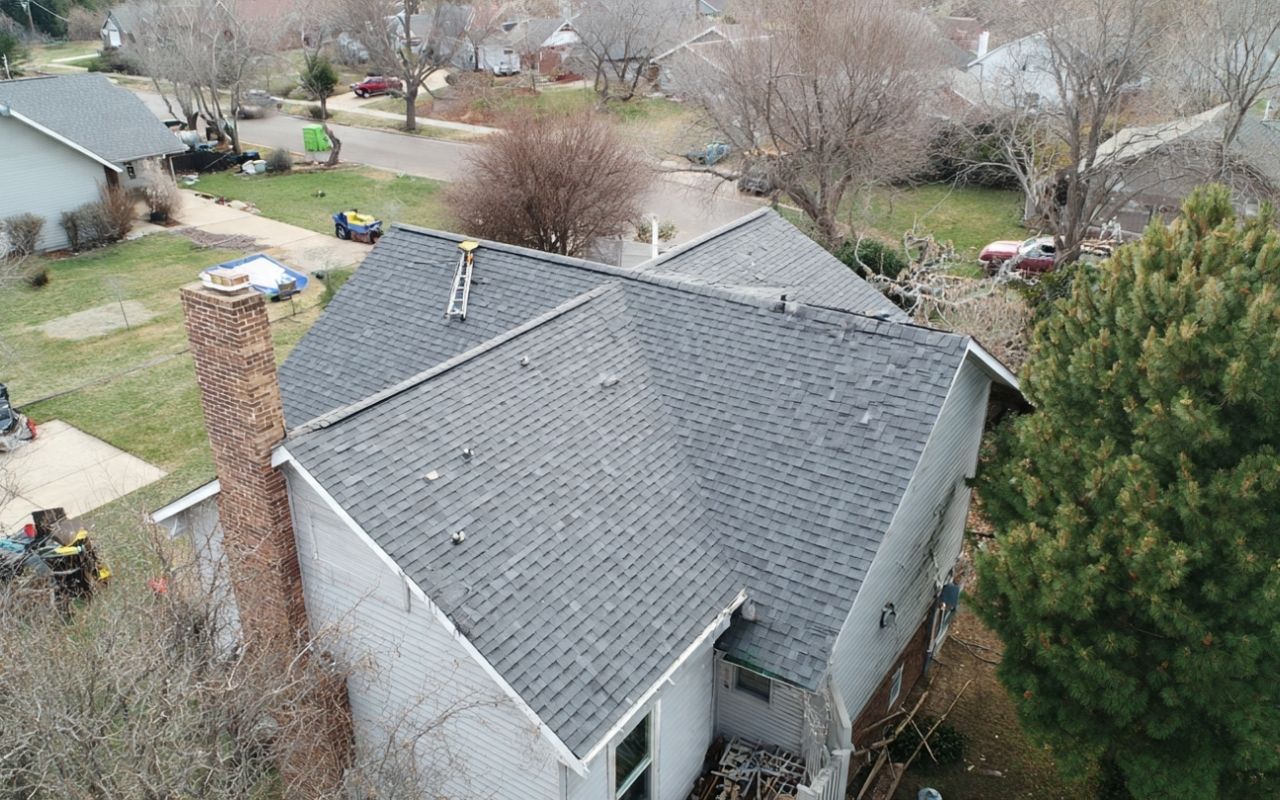
Branches that touch shingles hold moisture and drop grit. As a result, roof materials wear faster and stains spread. Meanwhile, leaves and twigs can block downspouts and cause overflow. That overflow can damage siding and foundation areas.
Lee’s Summit safe trimming near roofs & gutters is not only visual maintenance. Instead, it helps protect structural components and drainage. Perez Landscape and Trees LLC often sees preventable damage from overhanging limbs. Therefore, consistent trimming is a smart prevention habit.
Risks you avoid when you trim on schedule
When limbs brush the roof, granules can loosen over time. Consequently, shingles may age faster and become fragile. Additionally, clogged gutters can force water behind fascia boards. That moisture can lead to rot and mold.
Lee’s Summit safe trimming near roofs & gutters reduces storm surprises. Moreover, it limits pathways for pests to reach attic spaces. Roofline tree trimming in Lee’s Summit also improves airflow and sun exposure. Therefore, roofs can dry faster after rain.
How to spot hazardous branches before they become emergencies
Start by scanning the roof edge from the ground. Then, look for limbs that hang low or rub during wind. Also, check for cracks, deadwood, and weak unions. These issues increase break risk during storms.
- Dead branches with no leaves in season
- Limbs touching gutters or scraping shingles
- Split forks, peeling bark, or visible decay
- Branches leaning toward chimneys or vent pipes
- Growth aimed at service lines or poles
Lee’s Summit safe trimming near roofs & gutters starts with early detection. Therefore, you can plan safer, smaller cuts instead of rushed removals.
Tools that help you work safer near roof edges
Use tools that reduce climbing and overreaching. In addition, keep blades sharp for cleaner cuts. Clean cuts require less force, so control improves. Perez Landscape and Trees LLC recommends safety gear for every session.
- Hand pruners for small twigs
- Loppers for medium branches
- Pole saw for reach without roof access
- Stable ladder with a standoff or stabilizer
- Gloves, eye protection, and a helmet
Safe clearance over shingles matters when you choose your reach tools. Also, Avoiding abrasion becomes easier when you do not drag branches across the roof.
How to trim near roofs and gutters without causing damage
Work in small sections and stay deliberate. First, clear deadwood and light growth you can reach safely. Next, reduce weight from the outside, then move inward. This method limits sudden drops and tearing.
- Set a drop zone away from roof edges and windows.
- Use a pole tool to reduce climbing and stretching.
- Make a small undercut, then a top cut, for heavier limbs.
- Cut just outside the branch collar to support healing.
- Keep limbs at least a few feet off gutters for airflow.
Lee’s Summit safe trimming near roofs & gutters works best with controlled cuts. Therefore, you protect shingles, gutter seams, and drip edges. Perez Landscape and Trees LLC can also help plan safer cuts for tricky angles.
How-to: Keep branches clear of roofs and gutters all year
Use a simple routine that fits your season. However, adjust based on tree species and growth rate. Also, plan before storm season to avoid rushed work.
- Walk your roofline every six months and note contact points.
- Mark limbs that cross over gutters or touch shingles.
- Schedule light trimming in late winter or early spring.
- After storms, re-check for cracks, hangers, and loosened limbs.
- Document changes, so you track regrowth and risk.
Lee’s Summit safe trimming near roofs & gutters improves when you stay consistent. Therefore, problems stay smaller and easier to manage.
When it’s smarter to hire a professional team
Some situations demand trained help. For example, limbs near service lines or steep rooflines raise risk quickly. Also, large cuts can swing into gutters and cause dents. Perez Landscape and Trees LLC handles complex trimming with safer planning and insured work.
- Branches overhang steep slopes or second-story rooflines
- Limbs are heavy, cracked, or storm-damaged
- Growth sits near lines, chimneys, or tight setbacks
- You need canopy reduction, not just light pruning
If you want expert help, explore Tree Trimming in Lee’s Summit, MO, for Safer, Stronger Trees. Then, request an estimate through Contact Perez Landscape and Trees LLC in Kansas City, MO.
What to do with debris and how to check your roof afterward
Clean up promptly, because piles invite pests. Also, cut debris into smaller lengths for easier hauling. If you mulch, keep chips away from the foundation zone. That spacing reduces moisture issues.
After trimming, inspect shingles and gutter edges from the ground. Use binoculars rather than risky climbing. Then, look for scuffs, dents, or loose granules. If you see issues, address repairs early.
Lee’s Summit safe trimming near roofs & gutters includes post-check habits. Therefore, you confirm the roofline stayed protected during the work.
FAQs
How far should branches stay from my roof and gutters?
Aim to keep limbs off the roofline and away from gutter edges. Therefore, water flow stays clear and shingles avoid wear. For local guidance and safe trimming plans, see Tree Trimming in Lee’s Summit, MO, for Safer, Stronger Trees.
What are the biggest risks of leaving overgrown branches near my roof?
Overgrowth increases rubbing, clogs gutters, and raises storm break risk. Consequently, leaks and repairs become more likely. To understand the warning signs, read Overgrown Branches Risks Every Homeowner Should Know.
Can I trim roofline branches myself, or should I call a pro?
You can handle small cuts with the right tools and safe footing. However, steep roofs, heavy limbs, and tight angles justify professional help. For service options, review Tree and Landscape Services by Perez Kansas City, MO.
How often should I check my roofline trees in Lee’s Summit?
Check at least twice a year, and also after storms. Fast-growing trees may need more attention. For more practical answers, visit Frequently Asked Questions.
What should I do if I notice roof or gutter damage after trimming?
Document damage with photos and act quickly. Small issues can grow into leaks if ignored. If you need help assessing next steps, reach out using Contact Perez Landscape and Trees LLC in Kansas City, MO.
Keep your roofline protected with a simple plan
When you maintain clearance, your home stays drier and safer. Moreover, your gutters work better during heavy rain. Perez Landscape and Trees LLC supports homeowners with safer trimming and cleanup. If you want expert help, connect with Perez Landscape and Trees LLC today. Start with Perez Landscape, then book a visit through Contact Perez Landscape and Trees LLC in Kansas City, MO.
References
- What to Do with Storm-Damaged Trees in Your Yard (Better Homes & Gardens)