
Autumn’s color show is gorgeous—until those leaves blanket your lawn. Effective cleanup isn’t just about neatness; it’s about preventing slips, strains, and equipment mishaps. This guide distills practical Fall Leaf Cleanup & Yard Safety Tips so you can choose smart tools, protect your body, and dispose responsibly. Follow these steps to work faster, stay safer, and keep your landscape thriving.
What are the best Fall Leaf Cleanup & Yard Safety Tips?
The best approach combines ergonomic tools, protective gear, correct lifting and posture, clear pathways, cord awareness, steady hydration, adequate lighting, and eco-friendly disposal. Applying these Fall Leaf Cleanup & Yard Safety Tips reduces slip, trip, and strain risks while speeding up the job and improving lawn health.
Selecting the Right Tools for Fall Leaf Cleanup
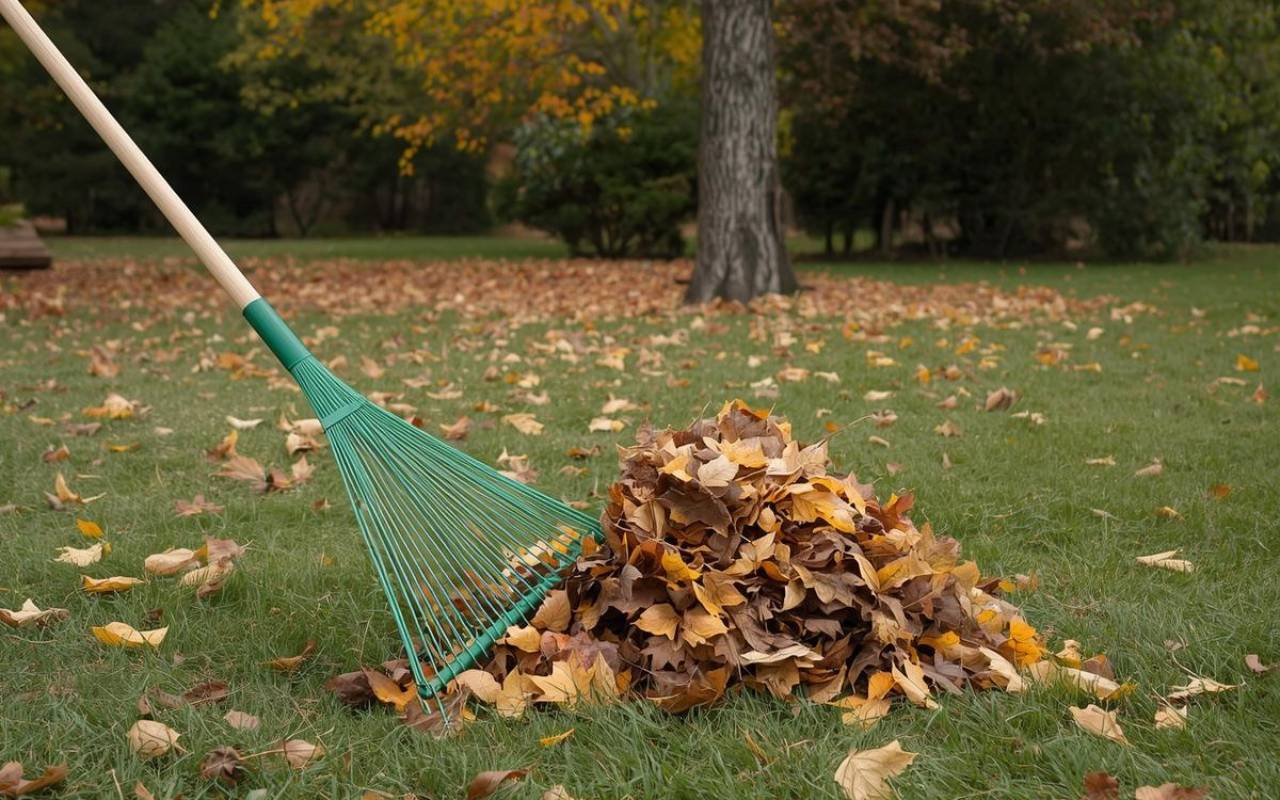
Gather ergonomic rakes with flexible tines and adjustable handles, plus plastic leaf scoops for safer pickup. For large or tight spaces, consider an electric blower or vacuum and mind cord management. Use a sturdy wheelbarrow or cart and durable yard-waste bags. For branch hazards that complicate cleanup, review overgrown branches risks and stay consistent with your tree maintenance calendar. These choices anchor your Fall Leaf Cleanup & Yard Safety Tips strategy.
Understanding Proper Lifting Techniques to Avoid Strain
Bend at the knees, keep your back straight, and hold loads close to your body. Break heavy piles into smaller bundles and alternate sides to reduce repetitive strain. Load wheelbarrows near the axle for control. These safe mechanics are core to effective Fall Leaf Cleanup & Yard Safety Tips.
Importance of Wearing Protective Gear
Wear thick, breathable gloves; safety goggles; slip-resistant boots; and a dust mask when handling moldy leaves. Use ear protection with loud tools and bright, reflective clothing near streets. Match PPE with routine tool maintenance for tree trimming to keep equipment safe and predictable.
Clearing Debris Safely to Prevent Accidents
Walk the yard and remove hidden hazards—rocks, branches, hoses, toys—before raking or blowing. Keep piles tidy and use a tarp for quicker transport. Move cautiously on slopes and uneven ground, scanning often for new debris. A clean work zone makes Fall Leaf Cleanup & Yard Safety Tips more foolproof.
Being Mindful of Electrical Cords and Equipment
Use outdoor-rated extension cords and GFCI protection. Keep cords visible, coiled out of footpaths, and away from inlets or blades. In damp areas, prefer battery tools. This electrical awareness reinforces your Fall Leaf Cleanup & Yard Safety Tips, especially in wet, low-light conditions.
Maintaining Good Posture Throughout the Cleanup
Stand tall; avoid hunching. Use a staggered grip on the rake and take short steps rather than twisting. Hinge at the hips to scoop, and rotate tasks to prevent overuse. Knee pads or a low stool help with ground-level work. Good posture sustains energy and safety.
Staying Hydrated and Taking Breaks Regularly
Drink small amounts of water every 15–20 minutes, even in cool weather. Set a 30-minute break timer to stretch and reset. Snack on light, nutrient-dense foods for longer sessions. Planned pauses keep attention sharp and reduce mistakes.
Securing Proper Lighting for Evening Cleanup
Shorter days demand visibility. Use a headlamp for hands-free focus and tripod work lights for wide areas. Mark pathways with reflective stakes. Unplug equipment before moving lights. If coverage is inadequate, schedule the area for daylight.
Implementing Eco-Friendly Practices in Leaf Disposal
Mulch leaves with a mower to feed the lawn, or compost shredded leaves to enrich beds. Bag excess in biodegradable sacks for municipal pickup or community composting. Avoid burning. For timing around pruning and removals, see seasonal removal timing and align choices with local urban forestry guidelines.
Prioritizing Safety for a Successful Fall Leaf Cleanup
Combine smart tools, PPE, posture, and hydration with good lighting and tidy pathways. Layer in eco-disposal methods to return nutrients to the soil. Following these Fall Leaf Cleanup & Yard Safety Tips delivers a cleaner yard, fewer injuries, and a healthier landscape.
How-to: Quick Fall Leaf Cleanup & Yard Safety Checklist
- Walk the yard; remove hazards and lay a tarp in staging areas.
- Put on gloves, goggles, boots, mask, and hearing protection.
- Choose tools: ergonomic rake; blower/vac if needed; wheelbarrow and bags.
- Rake or blow leaves with short, steady strokes; keep piles compact.
- Lift with knees; split heavy loads; keep loads close to your body.
- Manage cords with GFCI protection; avoid wet zones or switch to battery.
- Hydrate every 15–20 minutes; stretch during 5-minute breaks.
- Mulch or compost leaves; bag overflow in biodegradable sacks.
- Schedule tree work using the tree maintenance calendar.
- Need help? Contact Perez Landscape for a safe, efficient cleanup.
Frequently Asked Questions
When should I start fall leaf cleanup?
Begin once a light layer accumulates, then finish after the major drop. This reduces repeat work and keeps walkways safe.
Is mulching leaves better than bagging?
Often yes. Shredded leaves decompose quickly, feeding soil and reducing waste—provided layers aren’t so thick that they smother turf.
What’s the safest way to use an electric blower?
Wear eye and ear protection, use an outdoor-rated cord with GFCI, keep cords visible, and avoid wet areas.
How do I prevent back pain while raking?
Use an ergonomic rake, keep a neutral spine, switch sides frequently, take short steps, and lift with your legs.
Which hazards hide under leaves?
Rocks, sticks, toys, tools, and uneven ground. Survey and clear before you start to reduce trips, equipment damage, and injuries.
References
- Consumer Reports: Yard Work Safety Tips to Keep You Out of the ER
- Better Homes & Gardens: 12 Leaf-Raking Tips to Make Fall Cleanup So Much Easier