
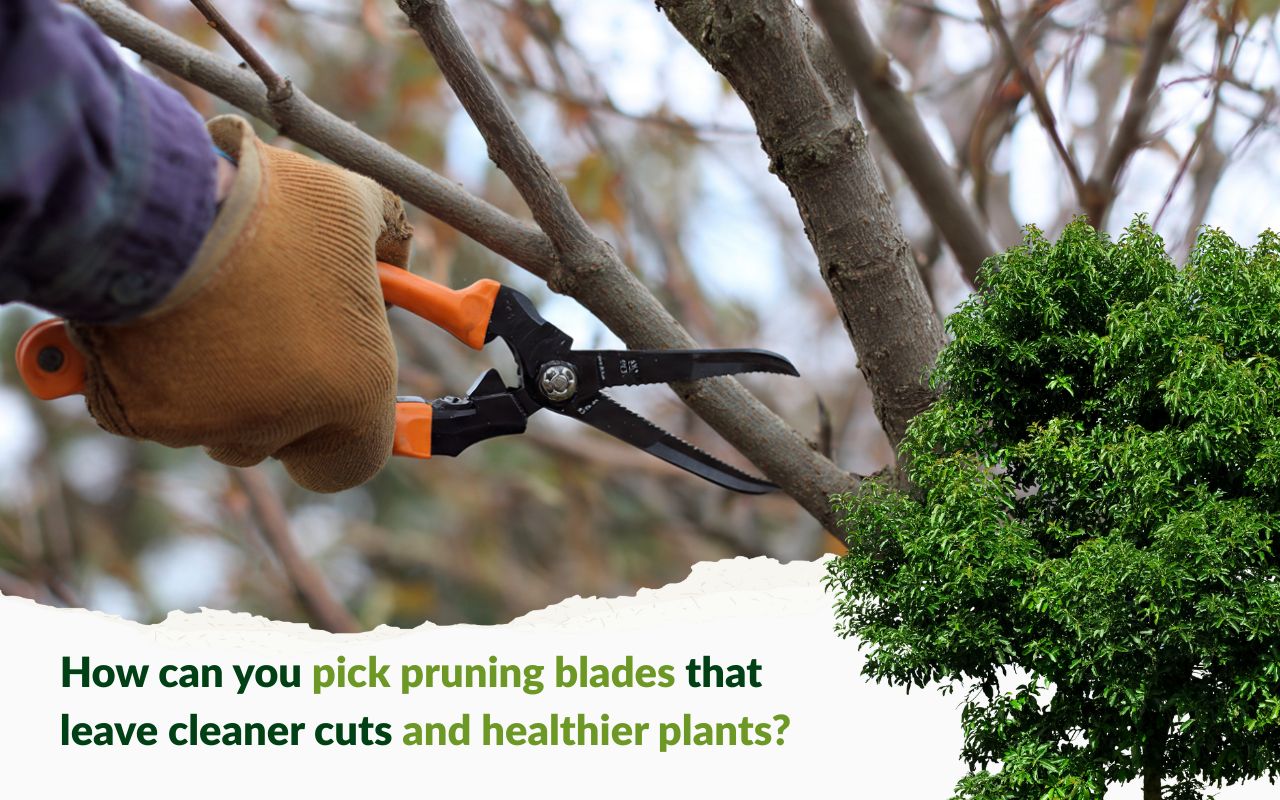
Cleaner cuts start with smarter blade choices. Therefore, the right pruner can reduce tearing and stress. Moreover, sharp edges help plants seal wounds faster. If you work in Kansas City, small upgrades can change results quickly. This guide explains blade types, upkeep, and safe techniques for healthier growth.
How can you pick pruning blades that leave cleaner cuts and healthier plants?
You can improve plant healing by matching blade style to the branch. Therefore, use a bypass blade on living stems. However, use an anvil blade on dead, dry wood. Also, keep blades sharp and clean between cuts. When you Choose the right pruning blades for cleaner cuts, you reduce crushing and disease risk. Perez Landscape and Trees LLC recommends pairing the right blade with consistent upkeep.
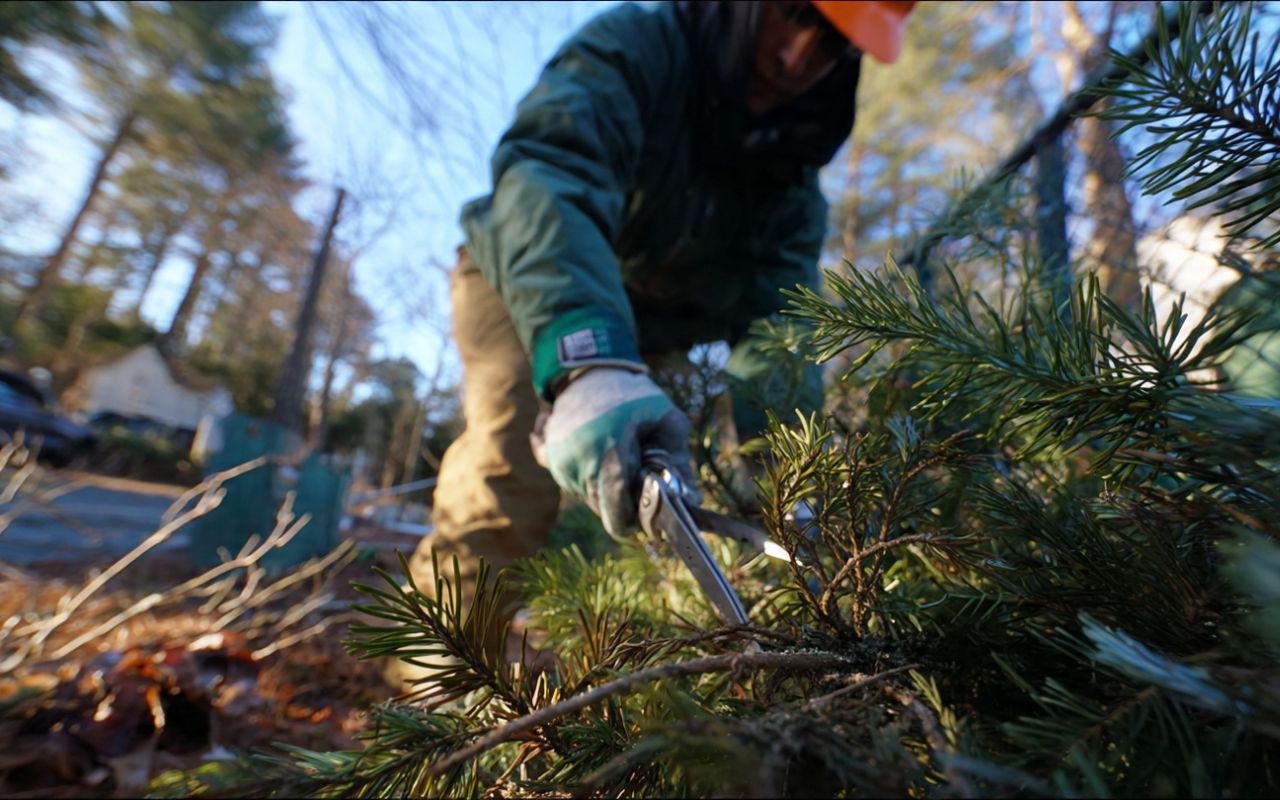
Why blade choice changes plant healing
Every cut creates a wound. Therefore, the edge quality matters. Smooth cuts close faster, while torn cuts stay open longer. When you Choose the right pruning blades for cleaner cuts, plants waste less energy on repair.
- First, clean cuts reduce bark tearing.
- Next, tidy wounds can lower pest pressure.
- Also, sharp blades limit bruising in green tissue.
- Finally, better cuts support stronger regrowth.
For technique help, use Cut-Clean Method Guide. Then practice on small branches before harder work.
Bypass vs anvil: what to use and when
The simplest rule is this: bypass slices, while anvil presses. Therefore, match the tool to the branch condition. This is the core of Bypass vs anvil decisions.
- Bypass blades: choose them for live wood and green stems.
- Anvil blades: use them for dead wood and brittle twigs.
- Mixed pruning: carry both, so you switch quickly.
Moreover, bypass cuts look cleaner on shrubs and roses. However, anvil tools can power through stiff, dry growth. When you Choose the right pruning blades for cleaner cuts, you also protect the branch collar.
What to check before you buy or replace a blade
Many gardeners buy the first tool they see. However, a few checks prevent regret. Perez Landscape and Trees LLC suggests focusing on fit, steel, and cutting capacity.
- First, match the pruner capacity to your branch size.
- Next, choose comfortable grips to reduce fatigue.
- Also, look for rust-resistant finishes for sap-heavy jobs.
- Then, confirm parts are replaceable when possible.
- Finally, test the lock for quick, safe storage.
For deeper guidance, review Pruning Blade Selection Guide. Then compare your yard needs to the blade design.
How to keep blades sharp for cleaner cuts
This section covers Blade maintenance and sharpening. Therefore, you can keep cuts crisp all season. When you Choose the right pruning blades for cleaner cuts, maintenance makes the difference.
- Step 1: Wipe blades after each session.
- Step 2: Remove sap with a gentle solvent when needed.
- Step 3: Oil the pivot, so movement stays smooth.
- Step 4: Sharpen at the blade bevel angle with steady strokes.
- Step 5: Disinfect when moving between plants.
Also, store tools dry to limit rust. For a proven routine, follow Tool Care and Sharpening Tips.
FAQs
Which blade style is best for living branches?
Bypass blades are usually best for living growth. Therefore, they shear like scissors and leave a smooth edge. For more context, see Pruning Blade Selection Guide. If you want consistent results, Choose the right pruning blades for cleaner cuts before heavy trimming.
When should I use an anvil pruner instead?
Use an anvil pruner on dead, dry wood. However, avoid it on green stems because it can crush tissue. For cleaner technique, review Cut-Clean Method Guide.
How often should I sharpen pruning blades?
Sharpen when cuts start to tear or crush. Therefore, many gardeners touch up every few uses. A simple plan is outlined in Tool Care and Sharpening Tips. With regular upkeep, you will Choose the right pruning blades for cleaner cuts and keep them working well.
What is the fastest way to improve cut quality today?
First, clean the blade and oil the pivot. Next, sharpen the bevel edge with controlled strokes. Then test on a small branch. Also, adopt the undercut-and-topcut approach for larger limbs. For guidance, use Cut-Clean Method Guide.
Can a local pro help with blade choice and trimming in Kansas City?
Yes, especially when trees are tall or near structures. Therefore, consider a Tool upgrade and trimming service in Kansas City when safety or results matter. Perez Landscape and Trees LLC can help you plan cuts and protect your property. To request help, reach out through Contact Our Team.
Get cleaner results with local support
If your cuts look ragged, change one thing at a time. Therefore, start with the correct blade type. Next, sharpen and disinfect regularly. Then practice clean angles and steady pressure. When you Choose the right pruning blades for cleaner cuts, your plants recover faster and look better.
Moreover, if you want hands-on help, Perez Landscape and Trees LLC can guide tool choices and safe pruning. Also, if you need on-site work, explore Tree Trimming in Blue Springs, MO. Then book a visit through Contact Our Team.
For additional reading from editorial sources, consider these guides: