
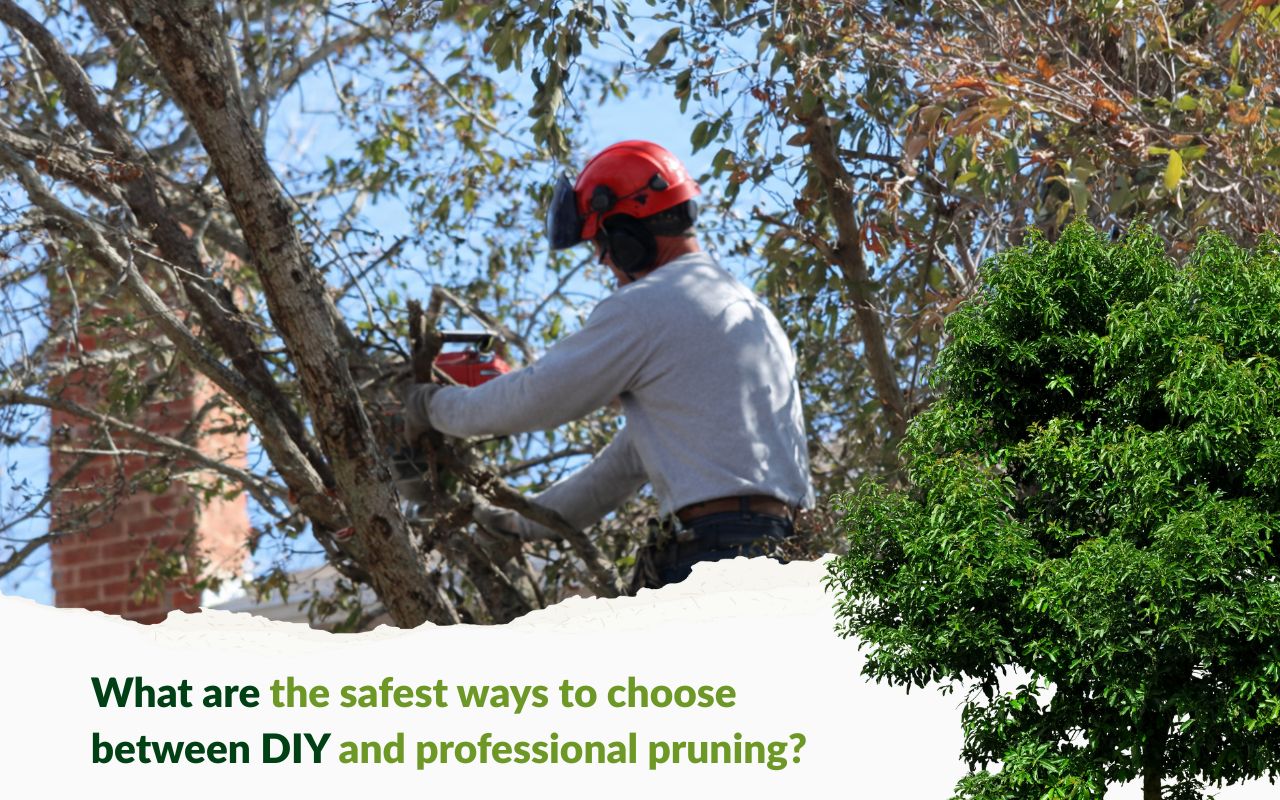
Pruning looks simple, yet accidents happen fast. Therefore, you need clear rules before you cut. This guide explains DIY vs professional pruning: safety basics for homeowners in Kansas City. You will learn how to reduce risk, protect tree health, and choose the safest path. As a result, your yard stays beautiful and your family stays safer.
What are the safest ways to choose between DIY and professional pruning?
The safest choice depends on height, hazards, and your experience. In general, DIY vs professional pruning: safety basics favor DIY for small, reachable limbs. However, pros are safer for tall canopies, heavy limbs, and tight spaces. Perez Landscape and Trees LLC helps you match the job to the safest method.
Why safe pruning technique matters for people and trees
Pruning improves structure, light, and airflow. Moreover, correct cuts help wounds seal faster. DIY vs professional pruning: safety basics start with clean, angled cuts near the branch collar. Consequently, you reduce rot, pests, and weak regrowth.
Bad cuts can cause splits during storms. In addition, over-pruning stresses the tree. Perez Landscape and Trees LLC often sees trees harmed by rushed trimming. Therefore, timing and technique matter as much as effort.
DIY pruning hazards you should not ignore
DIY can be rewarding. Still, the biggest problem is unpredictable risk. DIY vs professional pruning: safety basics require you to assess danger before you climb.
- Ladder and saw risks rise when you overreach or cut above shoulder height.
- Falling branches can hit you, a roof, or a fence.
- Kickback can happen if a saw pinches during a cut.
- Working alone increases delay in getting help.
Tool hygiene also matters. For example, dirty blades can spread fungus. Because of that, Disinfecting tools to stop disease should be part of every session. Perez Landscape and Trees LLC recommends cleaning between trees and after diseased cuts.
When professional pruning is the safer option
Pros handle complex cuts and safer rigging. Therefore, DIY vs professional pruning: safety basics often point to a pro for higher-risk jobs. Perez Landscape and Trees LLC uses planning, control cuts, and cleanup routines that reduce surprises.
- Trees near power lines or roofs need trained control.
- Large limbs require drop-zone planning and safe lowering.
- Storm damage can hide cracks and unstable wood.
- Insurance and proper equipment reduce liability stress.
If you want peace of mind, Hire a tree trimming pro in Kansas City for tall trees or heavy removals. Perez Landscape and Trees LLC can also spot early decay and canopy imbalance.
Safety gear and equipment checklist for safer cuts
Good gear reduces injuries. Likewise, the right tools reduce messy wounds. DIY vs professional pruning: safety basics start with protection and sharp blades.
- Helmet, eye protection, and hearing protection.
- Cut-resistant gloves and non-slip boots.
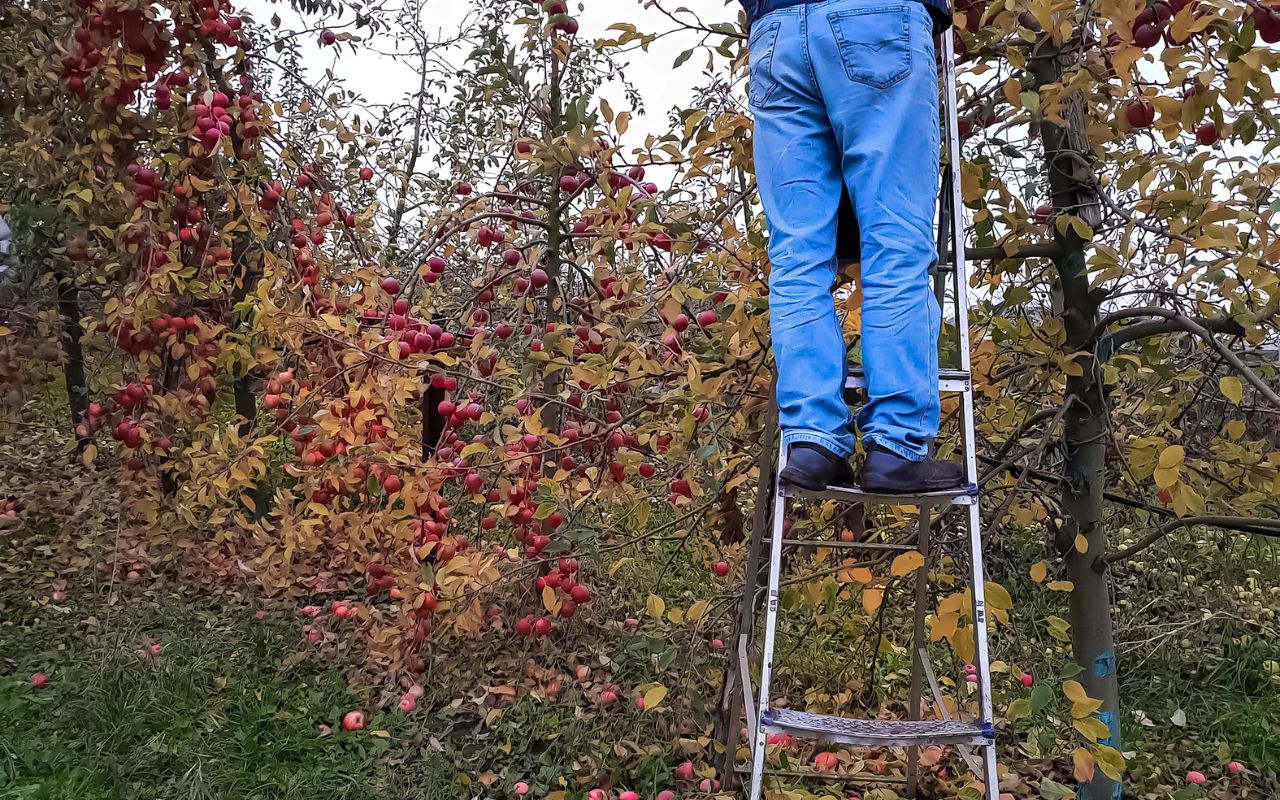
- A stable ladder rated for outdoor work.
- Sharp hand pruners, a pruning saw, and a first-aid kit.
Also, consider a pole pruner to avoid ladder use. As a result, you lower fall exposure. Perez Landscape and Trees LLC can recommend tool types for your tree size.
How to prune safely when you choose DIY
Plan first, then cut slowly. Meanwhile, keep people and pets away. DIY vs professional pruning: safety basics work best with a simple, repeatable process.
- Inspect the tree for deadwood, cracks, and weak unions.
- Check the area for power lines and fragile structures.
- Set a clear drop zone, and keep it empty.
- Start with small limbs, and cut in stages for larger ones.
- Make clean cuts just outside the branch collar.
- Stop if you need to overreach or cut above your head.
- Clean blades after the job, and between trees.
Finally, store tools dry and sharp. Consequently, future cuts stay cleaner and safer. Perez Landscape and Trees LLC can step in when a DIY plan meets a risky limit.
FAQs about DIY and professional pruning safety
How do I know if a branch is too risky to cut myself?
If you need a ladder, the risk climbs fast. Therefore, treat height as a warning sign. Review local service options through Where Can I Get Expert Tree Trimming in Blue Springs, MO and apply the same safety mindset at home.
What should I do to reduce chainsaw accidents during pruning?
Use proper PPE, keep a firm stance, and avoid cutting above shoulder height. Also, keep the chain sharp and the area clear. For a deeper overview, follow Chainsaw Safety Tips & Best Tools for Tree Trimming Enthusiasts.
How do I clean pruning tools to prevent disease spread?
Wipe off sap, then disinfect blades between trees and after diseased cuts. In addition, let tools dry before storage. Use the steps in Disinfecting Pruning Tools for Healthy Gardens | Expert Tree Care.
Should I use pruning shears or a saw for safe cuts?
Use shears for small stems and a saw for thicker limbs. Moreover, sharp tools reduce tearing and strain. Compare options in Pruning Shears vs Saws: Best Tree Trimming Tools for Your Garden.
How do I schedule help if I decide to hire a professional?
Start with a clear description of tree height, hazards, and goals. Then, request an evaluation and timeline. To reach Perez Landscape and Trees LLC, use Contact Perez Landscape and Trees LLC in Kansas City, MO.
Making the safest choice for your yard
DIY vs professional pruning: safety basics come down to risk and control. Simple, low cuts can be safe with planning and clean tools. However, tall work and heavy limbs deserve expert handling. Perez Landscape and Trees LLC supports safer decisions, healthier trees, and cleaner results.
Sources
- Milwaukee’s Recent Recall Reminded Me of These Two Important Chainsaw Safety Tips (Popular Mechanics)
- The safest way to use a chainsaw, according to science (Popular Science)